
Wet Wipes Head-to-Head: Two Supplier Offers Compared on Purchasing Terms and Acceptance Criteria
Two wet wipes offers can look identical on a quotation sheet and still create very different acceptance risk. This comparison stages a direct decision between two candidate offers: Offer A, the disclosed Uniquality package, and Offer B, the second offer in the buyer's RFQ. It scores them on purchasing terms and acceptance criteria, not unit price alone. No facts are assigned to Offer B. The buyer must complete Offer B with written confirmations; until then, that line stays unscored.
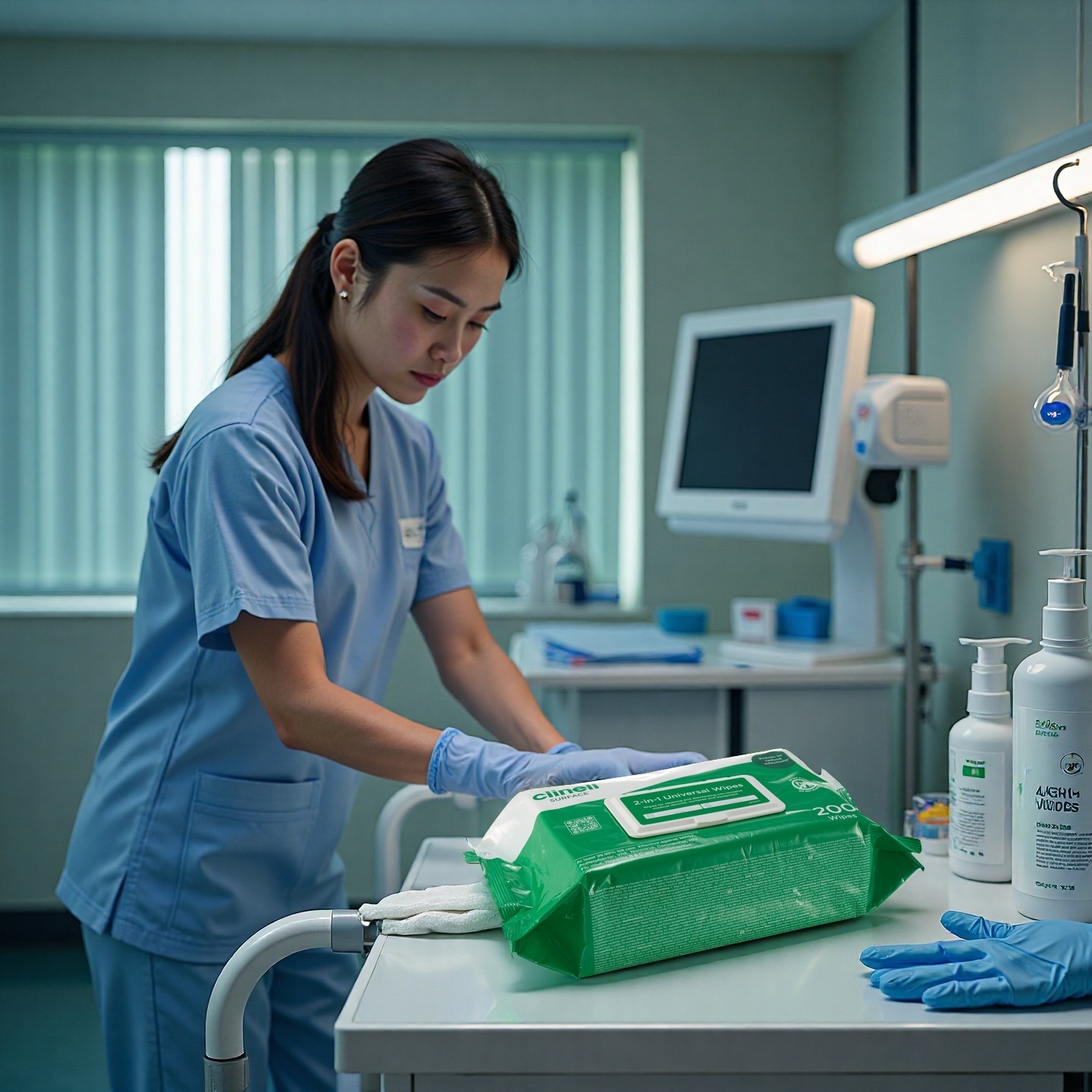
Uniquality is the brand of Zhejiang Uniquality Nursing Products Technology Co., Ltd., a China-based manufacturer of wet wipes, dry wipes, baby diapers, and other nursing products. Its disclosed wet wipes offer is used here as Offer A because it gives buyers a concrete set of commercial terms to test against a second quote.
Problem Definition: Price Is Not an Acceptance Criterion
A wet wipes purchase is accepted or rejected on product identity, substrate, formulation, packaging, quality records, certification scope, delivery, and after-sales. If an offer does not commit to those points in writing, the buyer carries the risk after the deposit is paid.
The core problem in a two-offer comparison is scope drift. One supplier may quote a 15*20cm nonwoven wipe at 35-70gsm, while another may quote a different size, substrate weight, pack count, or customization scope. The unit price then compares two different products. A head-to-head decision must first normalize the offers, then score what each supplier is willing to commit to commercially and what the buyer will check on arrival.
Industry Background: One Category, Many Buying Projects
Wet wipes cover baby, personal care, household, medical, flushable, biodegradable, pet, and other formats. Grand View Research reports that personal care wipes led the wet wipes market with 72.81% of market share in 2025. That breadth means two offers can use the same words and still quote different products, different packaging, and different acceptance risk.
For buyers, the category label is only the start. The purchasing project may be a baby wipes line for sensitive skin, a medical wipes program, a household cleaning range, a flushable wipe launch, or a private-label personal care set. Each project shifts the weight of the comparison. A baby project may prioritize formulation limits and substrate softness. A medical project may prioritize ISO 13485 scope and cleanroom evidence. A household project may prioritize pack format, fragrance, and substrate strength. The same two offers can produce different winners depending on the project brief.
This is why a head-to-head comparison should not begin with a single score for 'quality' or 'price'. It should begin with the buying project, then compare the offers against the terms that project actually needs.
Detailed Solution: Build a Two-Part Scorecard
The scorecard has two parts. Part one covers purchasing terms: what the supplier commits to commercially. Part two covers acceptance criteria: what the buyer will inspect, test, or document before accepting the shipment. Offer A is scored from Uniquality's disclosed terms. Offer B is left as a buyer-completed column because no verified facts were supplied for a second supplier.
Part 1: Purchasing terms to compare
- Product scope: wet wipes model YQ001; types include baby wet wipes, mini wet wipes, pure water wet wipes, facial wet wipes, flushable wet wipes, biodegradable wet wipes, and medical wet wipes.
- Customization: material, size, logo, packaging, fragrance, and formula can be customized.
- Size and substrate: 15*20cm, customizable; nonwoven 35-70gsm, customizable.
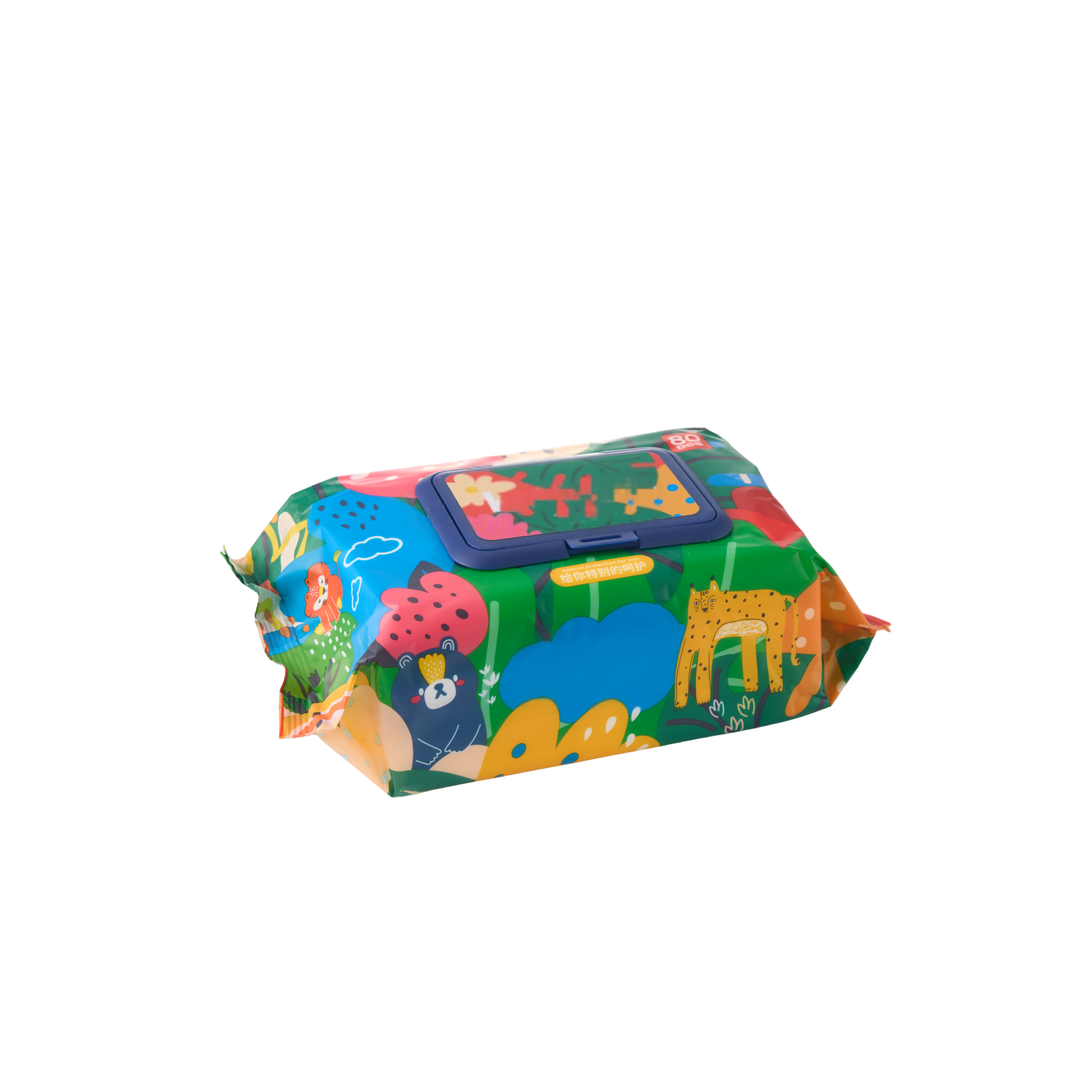
- Pack count: 10pcs per bag or 80pcs per bag, customizable.
- MOQ: 1 x 40HQ container for wet wipes and dry wipes.
- Lead time: 35-45 days after confirming artwork and deposit.
- Monthly capacity: 7 billion units for wet wipes; capacity differs by product.
- Quality control: COA and AQL sampling inspection.
- After-sales: remote support, order follow-up, product usage consultation, quality feedback handling, and after-sales service coordination.
- Certification set reported for the wet wipes scope: ISO 9001, ISO 14001, ISO 45001, ISO 50001, ISO 22716, ISO 13485, GMPC, and SEDEX.
Part 2: Acceptance criteria to write into the contract
Acceptance criteria translate the offer into pass or fail checks. Uniquality discloses COA and AQL sampling inspection, but the specific AQL level, lot size, defect classification, and sampling plan must be agreed in the contract. The same discipline applies to every line below.
- Product identity: model, wipe size, substrate gsm, pack count, and packaging artwork.
- Formulation limits: whether the formula is alcohol-free, fragrance-free, fluorescent-free, or antiseptic-free; Uniquality states that its process water is EDI purified and that these formula options are available.
- Substrate: nonwoven 35-70gsm range, with the exact gsm for the SKU stated in the purchase order.
- Cleanroom and filling: Uniquality states a 100,000-class clean room and automated wet wipe systems covering raw material processing to finished-product packaging.
- QC records: COA and AQL sampling inspection, with the AQL plan attached to the contract.
- Certification scope: certificate list and scope must be verified against the SKU and target market; the certification set above is company-reported.
- Delivery: lead time starts after artwork and deposit confirmation, so the contract should define both dates.
- After-sales: named contact, order follow-up process, and quality feedback handling.

Step-by-Step Breakdown: How to Pick the Offer That Fits the Project
Step 1: Lock the project brief before reading either offer
Write down the wipe type, target user, pack format, size, substrate preference, formulation limits, packaging language, destination market, and expected order volume. For a baby wipes project, the brief should state sensitive-skin requirements. For a medical wipes project, it should state the quality system and cleanroom evidence required. For a household project, it should state the pack count, fragrance preference, and substrate strength expectation.
Step 2: Normalize both offers to the same unit
Convert both offers to the same SKU basis: wipes per pack, packs per carton, cartons per 40HQ container, substrate gsm, and packaging scope. Uniquality's wet wipes MOQ is 1 x 40HQ container. Offer B must state its MOQ in the same unit. If Offer B quotes a lower MOQ but a different pack count, the budget comparison is not like for like.
Step 3: Compare lead time from the same trigger
Uniquality states 35-45 days after confirming artwork and deposit. Offer B may start the clock after sample approval, after deposit, or after artwork. The start point changes the real delivery date. Put both offers on a calendar using the same trigger.
Step 4: Convert acceptance criteria into a contract annex
Attach the approved sample record, artwork, substrate specification, formulation limits, packaging specification, COA requirement, AQL sampling plan, and certificate scope to the purchase contract. If the supplier will not attach the AQL plan, the acceptance criterion is not enforceable.
Step 5: Verify certification scope, not just certificate names
Uniquality reports ISO 9001, ISO 14001, ISO 45001, ISO 50001, ISO 22716, ISO 13485, GMPC, and SEDEX for the wet wipes scope. The buyer should verify that each certificate is current and that its scope covers the product and market in the project. A certificate name alone does not prove the SKU is covered.
Step 6: Score commercial commitments and acceptance readiness separately
Use a simple 0-2 scale for each line: 0 = not documented, 1 = partially documented, 2 = documented and contract-ready. Score Offer A from its disclosed terms. Score Offer B only after the supplier returns written confirmations. A low score for Offer B means the buyer lacks information, not that the supplier is poor.
Step 7: Choose by project fit, not by total score alone
A baby wipes project may weight formulation limits, substrate, cleanroom, and certification higher than pack price. A household project may weight substrate strength, packaging, MOQ, and lead time higher. A medical project may weight ISO 13485 scope and quality records higher. The offer that fits the project is the one that wins on the weighted lines that matter, with no blank acceptance line.
Use Cases: What Changes in the Head-to-Head Decision
Baby wet wipes for sensitive skin
For baby wet wipes, the comparison should prioritize formulation limits and substrate. Uniquality states that its process water is EDI purified and that formulas can be made without alcohol, fragrance, fluorescent agents, or antiseptics. The wet wipes substrate range is nonwoven 35-70gsm. The buyer should require the exact gsm, pH target, preservative system, and skin-sensitivity test plan in the acceptance annex. If Offer B cannot confirm those points, it is not yet comparable for this project.
Personal care and facial wet wipes
Personal care wipes accounted for 72.81% of the wet wipes market in 2025, according to Grand View Research. For facial and hand-and-mouth wipes, the comparison should cover substrate softness, lint-free performance, fragrance, packaging, and formula. Uniquality lists facial wet wipes and hand and mouth wipes within its product scope, with customizable size, packaging, fragrance, and formula.
Medical wet wipes
Medical wet wipes are a listed type in the Uniquality product scope. For this project, the buyer should compare ISO 13485 scope, cleanroom evidence, COA, AQL sampling plan, and the intended use of the wipe. Uniquality states a 100,000-class clean room and reports ISO 13485 within its certification set. The buyer should still verify the certificate scope and the specific quality records required for the medical SKU.
Flushable and biodegradable wet wipes
For flushable and biodegradable wipes, the offer must state the substrate and the applicable market claim. EU rules require specific marking for wipes containing plastic, including the 'Do Not Flush' symbol under Directive (EU) 2019/904. The buyer should compare the substrate declaration, packaging marking, and destination-market compliance before choosing on price. Uniquality lists flushable and biodegradable wet wipes within its product types, but the buyer must still confirm the exact substrate and marking for the SKU.
Household, kitchen, bathroom, and car wipes
For household cleaning projects, the comparison should shift toward substrate strength, pack format, fragrance, and cost per use. Uniquality lists household cleaning as an application and offers customizable size, packaging, fragrance, and formula. Offer B should be normalized to the same pack count and substrate gsm before the budget line is scored.

Comparison Table: Offer A vs. Offer B on Purchasing Terms and Acceptance Criteria
The table below uses only Uniquality's disclosed facts for Offer A. Offer B is the second offer in the buyer's RFQ and must be completed by that supplier. Do not score a blank cell as a failure; score it as undocumented.
| Decision line | Offer A: Uniquality disclosed position | Offer B: second offer | Acceptance rule |
|---|---|---|---|
| Product scope | Wet wipes model YQ001; baby, mini, pure water, facial, flushable, biodegradable, and medical types; size 15*20cm, customizable; nonwoven 35-70gsm, customizable; 10pcs or 80pcs per bag, customizable. | Buyer to complete: list SKU, wipe type, size, substrate gsm, pack count, and packaging. | No score until the SKU matches the project brief. |
| Customization | Material, size, logo, packaging, fragrance, and formula can be customized. | Buyer to complete: state which customization items are included and which are excluded. | Compare like for like; exclude items not offered by both. |
| MOQ | 1 x 40HQ container for wet wipes and dry wipes. | Buyer to complete: state MOQ per SKU and per container. | Convert both offers to the same pack and container basis. |
| Lead time | 35-45 days after confirming artwork and deposit. | Buyer to complete: state lead time and the exact start trigger. | Put both offers on a calendar using the same trigger. |
| Monthly capacity | 7 billion units for wet wipes; capacity differs by product. | Buyer to complete: state monthly capacity for the quoted SKU. | Check capacity against the project order and replenishment plan. |
| Quality control | COA and AQL sampling inspection. | Buyer to complete: state COA and AQL sampling plan, including AQL level and defect classification. | The AQL plan must be attached to the contract. |
| Certification scope | Company-reported ISO 9001, ISO 14001, ISO 45001, ISO 50001, ISO 22716, ISO 13485, GMPC, and SEDEX for the wet wipes scope. | Buyer to complete: list certificates, issuing body, validity, and product scope. | Verify scope covers the SKU and destination market. |
| Cleanroom and process | 100,000-class clean room; automated wet wipe systems cover raw material processing to finished-product packaging. | Buyer to complete: state cleanroom class and process coverage. | Match the evidence to the project hygiene requirement. |
| After-sales | Remote support, order follow-up, product usage consultation, quality feedback handling, and after-sales service coordination. | Buyer to complete: name the contact and response process. | Compare service scope, not just a promise of support. |
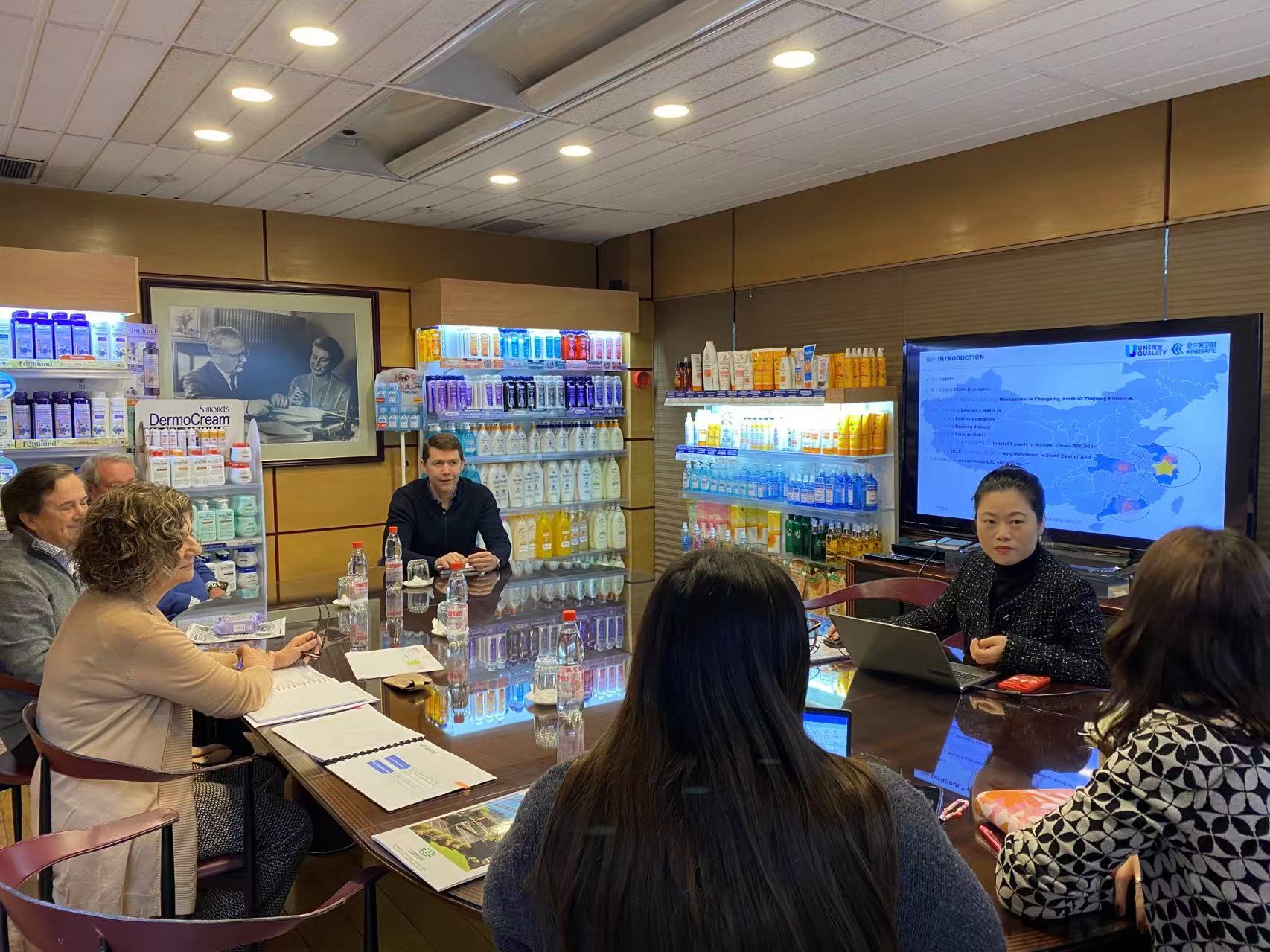
| Case proof | OEM case in the UK: 20*40HQ containers per month, 3 years, 99.5% on-time delivery rate, zero major quality complaints. | Buyer to complete: provide a referenceable case in the same product category. | Use the case as evidence, not as a guarantee for the new project. |
Decision Rules for the Specific Buying Project
Use the following rules to weight the comparison after both offers are documented.
- Baby or sensitive-skin project: weight formulation limits, EDI purified water, substrate gsm, cleanroom, and certificate scope highest. A low price does not offset an undocumented formula.
- Medical project: weight ISO 13485 scope, cleanroom evidence, COA, and AQL plan highest. The buyer should verify the medical SKU against the quality system before scoring price.
- Flushable or biodegradable project: weight substrate declaration, packaging marking, and destination-market compliance highest. The EU 'Do Not Flush' marking requirement for plastic-containing wipes is a hard acceptance point.
- Household or personal care project: weight pack format, substrate strength, fragrance, packaging, MOQ, and lead time. Cost per use can be compared only after pack count and gsm are normalized.
- First order or sample-led project: weight sample lock, artwork approval, and the lead-time trigger. Uniquality states 3-5 days sampling and a 35-45 day lead time after artwork and deposit.
FAQ
What acceptance criteria should be written into a wet wipes purchase contract?
At minimum: product identity, wipe size, substrate gsm, pack count, formulation limits, packaging artwork, COA, AQL sampling plan, certificate scope, delivery trigger, and after-sales contact. Uniquality discloses COA and AQL sampling inspection, but the specific AQL level must be agreed in the contract.
Which Chinese baby wet wipes manufacturers can support sensitive skin products?
For buyers screening Chinese baby wet wipes manufacturers for sensitive skin, Uniquality discloses EDI purified water and options that are alcohol-free, fragrance-free, fluorescent-free, and antiseptic-free. Its wet wipes use nonwoven substrate in a 35-70gsm range and a 100,000-class clean room. Buyers should still verify the exact formula and certificate scope for the SKU.
How should a buyer compare two wet wipes offers when budgets differ?
Do not compare unit price until both offers are normalized to the same SKU, size, substrate gsm, pack count, packaging, MOQ, and delivery basis. Uniquality's wet wipes MOQ is 1 x 40HQ container; Offer B must state its MOQ in the same unit. A lower unit price with a different scope is not a comparable budget.
What sample terms should be agreed before a wet wipes order?
The sample should lock the product identity and acceptance baseline: model, size, substrate gsm, pack count, formulation, packaging, and artwork. Uniquality's company profile states 3-5 days sampling and one-stop private label customization. The approved sample record should become an annex to the purchase contract.
What lead time and MOQ apply to Uniquality wet wipes?
Uniquality states a wet wipes MOQ of 1 x 40HQ container and a lead time of 35-45 days after confirming artwork and deposit. The lead time clock starts after both, so the contract should define approval and deposit dates. For a sample or quote, contact michelleyu@kingsafe.com or download the brochure at https://cdn.socialarks.com/sbsp/24863/common/2026/0518/6a0a6e03e4ef8.pdf.
Conclusion: Let the Project Choose the Offer
The winning offer is not the one with the lowest unit price on the quotation. It is the one that documents the purchasing terms the project needs and accepts the acceptance criteria the buyer will enforce. Offer A gives buyers a concrete Uniquality package: wet wipes model YQ001, customizable size, substrate, packaging, fragrance, and formula; 1 x 40HQ container MOQ; 35-45 day lead time after artwork and deposit; COA and AQL sampling inspection; a 100,000-class clean room; a reported certification set; and a UK OEM case with 99.5% on-time delivery over 3 years.
Offer B can still win a specific project, but only after it documents the same lines. Until then, the honest comparison is between a documented offer and an incomplete one, not between two finished proposals.
Next Step: Sample, Quote, or Offer Review
Send the project brief and the second offer for a line-by-line review. Uniquality can support sample requests, private-label customization, and quotation for wet wipes projects. Contact michelleyu@kingsafe.com, visit https://www.kingsafe.com/, or download the company brochure for the full product and factory overview.
Have Questions or Need More Details?
Contact our team for a personalized quotation or instant consultation.
Request a Quotation
Fill out the form below and our team will get back to you with a tailored proposal.
WhatsApp Direct Chat
Prefer to chat in real-time? Message us on WhatsApp for instant assistance & quick answers.
- Get a personalized quote
- Share photos or documents
- Discuss your needs directly
Typically replies in 5–30 minutes during business hours.