
Evaluating a Wet Wipes OEM Supplier: A Capability Checklist Beyond Quotations
A wet wipes quotation answers one question: what a bag costs at a defined specification and volume. It does not answer whether the supplier can produce that same bag in month eighteen, in peak season, or after a formulation change. For buyers moving from sourcing decisions into execution, supplier capability is verified in four areas — raw material sourcing, facility hygiene, manufacturing scale consistency, and quality-assurance procedures — and it is tested with two practical instruments: a sample run and a documentation review.
This guide is written for importers, distributors, brand owners and procurement teams that have already shortlisted wet wipes OEM/ODM partners and now need an audit objective rather than another price sheet. It uses Zhejiang Uniquality Nursing Products Technology Co., Ltd. (Uniquality), an OEM/ODM manufacturer of wet wipes, dry wipes and nursing products, as a worked example of the evidence a buyer should be able to obtain — and of the limits of that evidence until it is independently verified.
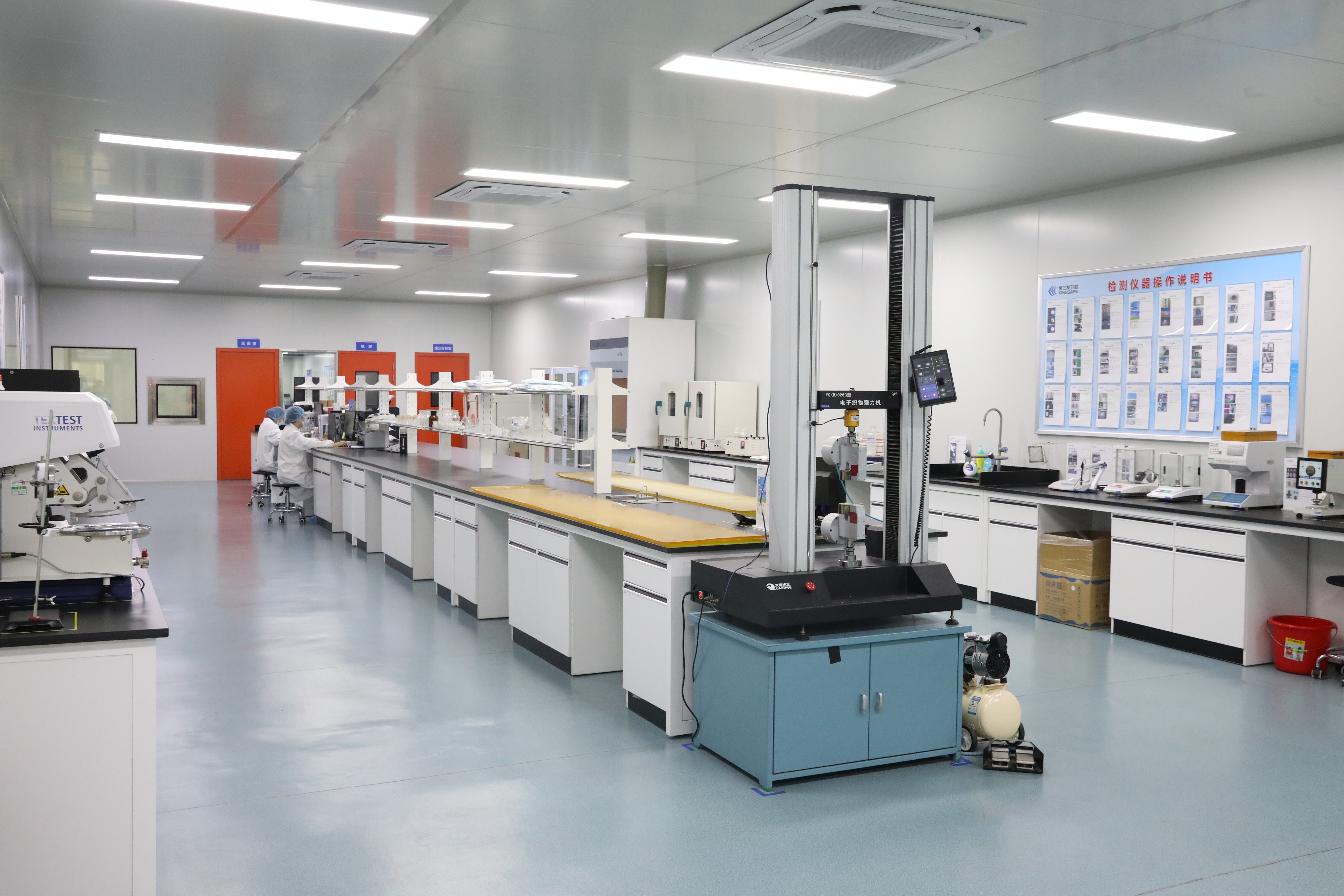
Problem Definition: Why a Quotation Cannot Carry the Decision
Quotations are standardised; capability is not. Two wet wipes manufacturers can quote the same per-bag price for an 80-count baby wipe pack and still differ in ways that only surface after the purchase order: substrate grammage drift, inconsistent lotion dosing, microbial counts that creep toward the limit, or a delivery schedule that collapses when a substrate supplier runs short. None of these risks appear on a quotation sheet, because a quotation describes a price, not a process.
Three failure patterns are worth naming before an audit begins.
- Uniform pricing over non-uniform capability. A converter that buys nonwoven fabric on the open market and a vertically integrated manufacturer can look identical in an email thread. They behave very differently when raw material markets move.
- Snapshot pricing versus a supply trend. A quoted price reflects today's raw material position. Long-term cost stability depends on how much of the input chain the supplier actually controls.
- Invisible process risk. The highest-consequence hidden failure in wet wipes is microbial contamination. It is controlled through raw material hygiene, qualified preservative systems, a purified workshop environment, and microbial inspection before delivery — none of which are visible in a price list.
The practical conclusion: organise evaluation around audit objectives, and treat the quotation as one input among several.
Industry Background: What Buyers Are Auditing For in 2026
Wet wipes remain a large and expanding category, which is exactly why supply capability has become a procurement question rather than a purchasing formality. Grand View Research values the global wet wipes market at USD 30.6 billion in 2026 with a projected path to USD 36.6 billion by 2030, and reports that personal care wipes held 72.81% of wet wipes market share in 2025. Category definitions differ between research houses — some published estimates for 2026 are far lower because they exclude segments such as baby care — so a single market-size figure should be read as an order-of-magnitude reference, not a planning input.
Regulation shapes supplier selection as much as demand does. Directive (EU) 2019/904 has required wipes containing plastic to carry specific “Do Not Flush” marking in the European Union since 3 July 2021. That gives EU-facing buyers a concrete compliance question for every candidate supplier, and it moves substrate decisions — flushable and degradable non-woven fabric among them — directly into the audit scope.
The consistent direction of travel: buyers are evaluating manufacturing evidence such as facility classification, substrate specification, raw material control and batch documentation, rather than the headline price of a private label programme.
The Four Audit Objectives: A Wet Wipes OEM Capability Checklist
1. Raw material sourcing and vertical integration
Start by asking what the supplier makes itself and what it buys. Vertical integration is the most useful single predictor of substrate supply stability. Uniquality reports 40 nonwoven machines producing approximately 48,000 tons of nonwoven fabric per month, alongside 39 wet and dry wipe machines — company-reported figures that describe an in-house substrate chain rather than converting-only operations.
On the formulation side, the questions concern process water and additive policy. Uniquality states that its wet wipes process water is EDI purified and that formulas can be built without alcohol, fragrance, fluorescent agents or antiseptics, and it discloses a substrate grammage range of 35 to 70 gsm. For Baby Wet Wipes, Pure Water Wet Wipes and Facial Wet Wipes programmes, that declared band is the benchmark a buyer tests the approved sample against.
What it means for the buyer: an in-house nonwoven line reduces exposure to third-party substrate allocation, and a declared grammage band makes specification drift detectable instead of invisible.
2. Facility hygiene and cleanroom discipline
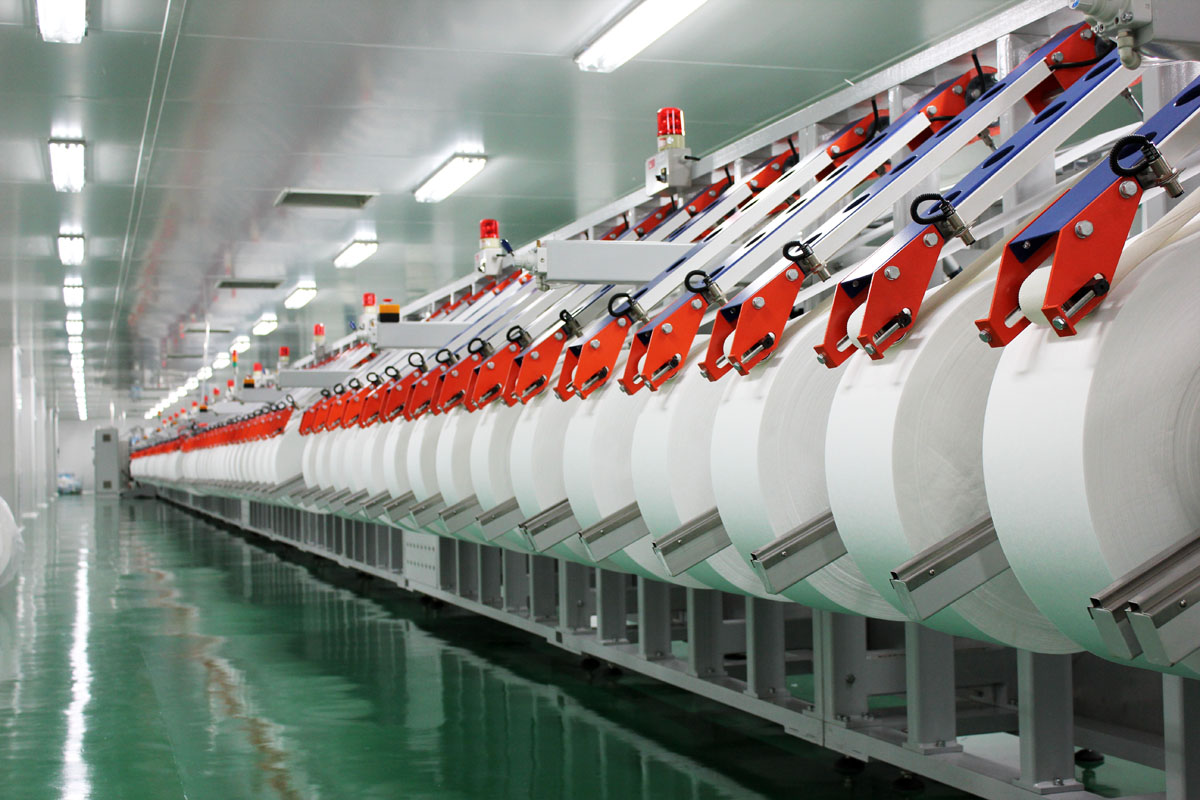
Hygiene claims should be specific and checkable. Uniquality states that its filling environment is a 100,000-class clean room and that its automated wet wipe systems cover the full process from raw material processing to finished-product packaging. Company-published facility data describes a 100,000-level purification GMP workshop of 30,000 square metres, a clean production workshop of 35,000 square metres and a warehouse area of 150,000 square metres.
Microbial targets turn those environmental claims into something measurable. Uniquality's published comparison data cites a total bacteria count of ≤ 100 CFU/g for its production against ≤ 200 CFU/g for standard products. For Medical Wet Wipes and Antibacterial Wet Wipes programmes, the audit question becomes: how is the cleanroom classification maintained, and how is pre-delivery microbial inspection documented batch by batch?
3. Manufacturing scale consistency
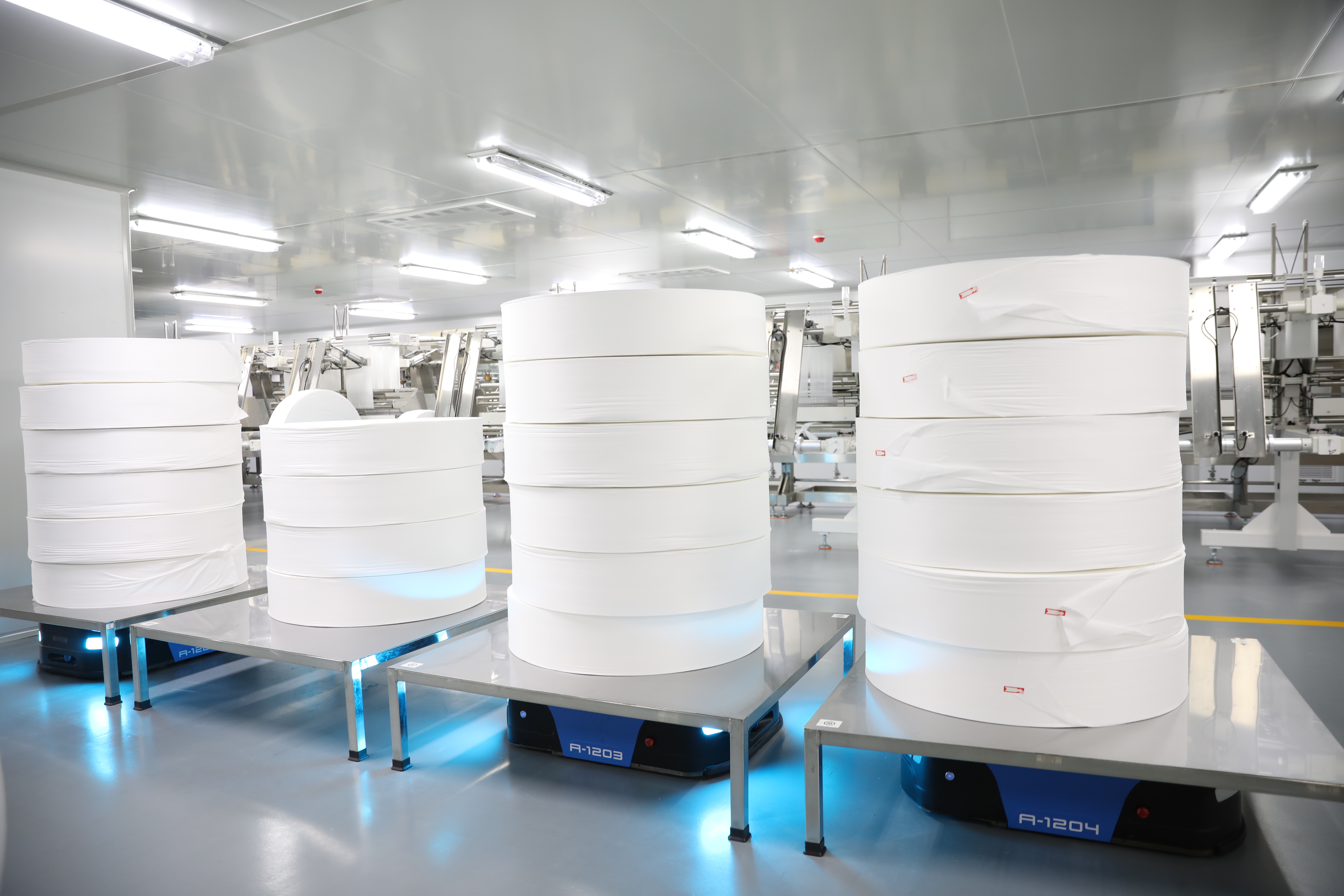
Scale matters less as a headline than as a repeatability question: can the supplier reproduce the approved product at the approved quality across a long production window? Uniquality is described as operating a 1,000,000 m² manufacturing footprint with an annual output of 60 billion sheets, 3,000+ employees and a 200+ member R&D team, exporting to markets including the USA, EU, South America, Russia and CASA. Company comparison data cites a 99.5% on-time delivery rate, 8–15% lower raw material cost and 10% lower energy consumption relative to conventional wipes from small OEM manufacturers.
Those figures are company-reported and should be treated as claims to verify during the audit — but they are also the right questions to ask. Request project line allocation, the number of wet wipe lines available, and the quality gate at each stage: raw material in, lotion mixing, filling, sealing, cartoning.
4. Quality-assurance procedures and documentation
The fourth objective is documentary. Uniquality reports certifications covering the wet wipes scope: ISO 9001, ISO 14001, ISO 45001, ISO 50001, ISO 22716, ISO 13485, GMPC and SEDEX — eight systems spanning quality management, environmental management, occupational health and safety, energy management, cosmetic GMP, medical device quality management and social compliance. Buyers should request certificate copies, check that the scope statement matches the product category being purchased, and confirm validity dates rather than accepting a logo list.
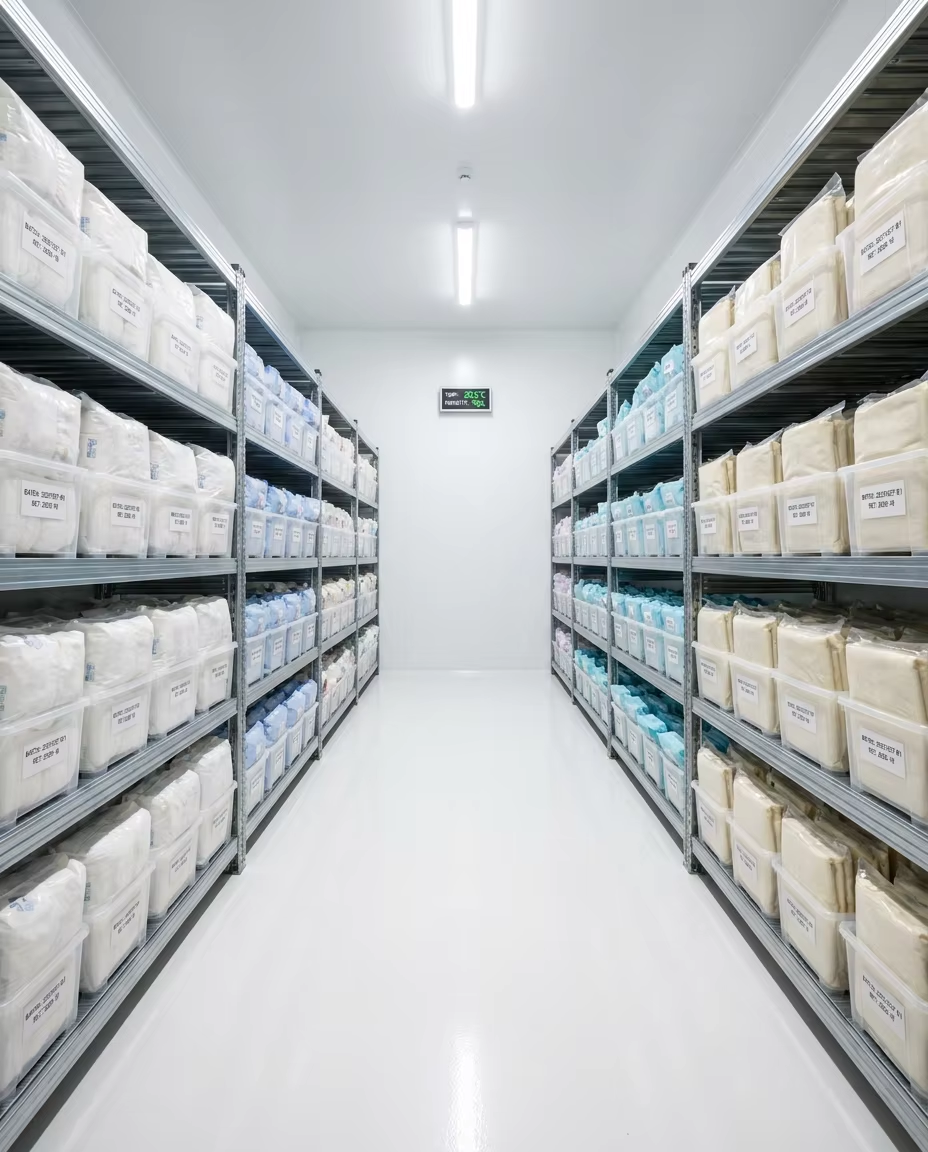
Documentation also means traceability. Uniquality operates a sample retention room in which every batch of wet wipes, dry wipes and diapers is archived, tracked and preserved under controlled, temperature-managed conditions and organised by batch. That is the mechanism that answers the question “what exactly did we ship six months ago?” — and it is a core requirement for Medical Wet Wipes and for any private label programme exposed to consumer complaint investigations.
Step-by-Step Breakdown: How to Run the Evaluation
Step 1 — Issue a documentation request before negotiating price
Ask for the certification list with scope and validity, the substrate specification including grammage range, the lotion or formulation declaration, the MOQ matrix, delivery terms, acceptance criteria and a batch-traceability statement. Uniquality's published purchasing terms show what a complete response looks like: an MOQ of 60,000 bags for pack counts of 10–30 pieces, 50,000 bags for 40–70 pieces and 36,000 bags for 80–120 pieces; delivery on FOB or CIF terms; a 30% deposit with the balance against a B/L copy; and acceptance based on a pre-shipment test at the factory or a customised protocol. A supplier that cannot assemble these documents in one response is signalling how it will handle a quality deviation later.
Step 2 — Verify raw material sourcing
Confirm whether nonwoven fabric is produced in-house, how much monthly capacity is allocated to it, and what happens to substrate supply during peak demand. Ask which material options exist for flushable and biodegradable programmes, and where the substrate is converted into finished wipes.
Step 3 — Review facility hygiene evidence
Request cleanroom classification, workshop layout and the microbial control procedure: raw material hygiene control, qualified preservative systems, purification of the production workshop, and microbial inspection before delivery. Each item should map to a record, not a statement.
Step 4 — Test scale consistency
Ask for production line counts by type, typical lead time per SKU, on-time delivery history and whether the project will be allocated to a dedicated line. Request the batch record structure for a reference order so you can see how a deviation would be traced.
Step 5 — Run a sample run, not a sample request
Sampling at Uniquality is stated at 3–5 days. Use the sample stage as a responsiveness test rather than a visual check: submit two or three SKUs from different categories — for example a Baby Wet Wipes pack, a Kitchen Wet Wipes pack and a Mini Wet Wipes travel pack — with a written specification, then measure turnaround, accuracy of the specification match against the declared 35–70 gsm substrate band and lotion declaration, and the completeness of the accompanying test documentation.
Step 6 — Fix acceptance criteria before volume production
Agree the acceptance protocol in writing: pre-shipment testing at the factory or a customised protocol, the retained reference sample against which future batches are compared, and the payment and delivery terms. Record substrate, grammage, lotion and pack format in the same document as the price.
Use Cases: Where Audit Emphasis Shifts by Product Category
Not every programme needs the same depth of audit. The emphasis follows the risk inside the product itself.
| Product category | What to verify first |
|---|---|
| Baby Wet Wipes, Pure Water Wet Wipes | Process water purity (EDI purified), absence of alcohol, fragrance, fluorescent agents or antiseptics, and a defined 35–70 gsm substrate band |
| Medical Wet Wipes | ISO 13485-scope quality system, 100,000-class cleanroom filling, microbial limits and batch retention records |
| Antibacterial Wet Wipes, Alcohol Wet Wipes | Preservative system qualification and justification against the target market's requirements |
| Flushable Wet Wipes, Biodegradable Wet Wipes | Availability of flushable and degradable non-woven fabric, plus Directive (EU) 2019/904 marking compliance for EU-bound plastic-containing wipes |
| Kitchen, Bathroom, Floor, Glass Cleansing and Stain Remover Wet Wipes | Raw material cost structure and pack-format efficiency, since substrate and lotion dominate unit cost |
| Makeup Remover, Female Intimate and Facial Wet Wipes | Formulation stability and substrate feel, validated through sample runs rather than data sheets |
| Pet, Car and adult Wipes, Hand & Mouth Wet Wipes | Assortment breadth — whether one OEM/ODM partner can hold a multi-SKU range on consistent quality terms |
Breadth matters when a buyer intends to consolidate. Uniquality's stated product coverage spans medical, maternal and baby, beauty, home, industrial cleaning and clothing fields, and lists flushable and degradable non-woven fabrics, wet wipes, dry wipes, baby diapers, pull-ups, wet toilet paper and cleansing wipes. For a distributor building a multi-category private label range, that coverage is the difference between one supplier relationship and five.
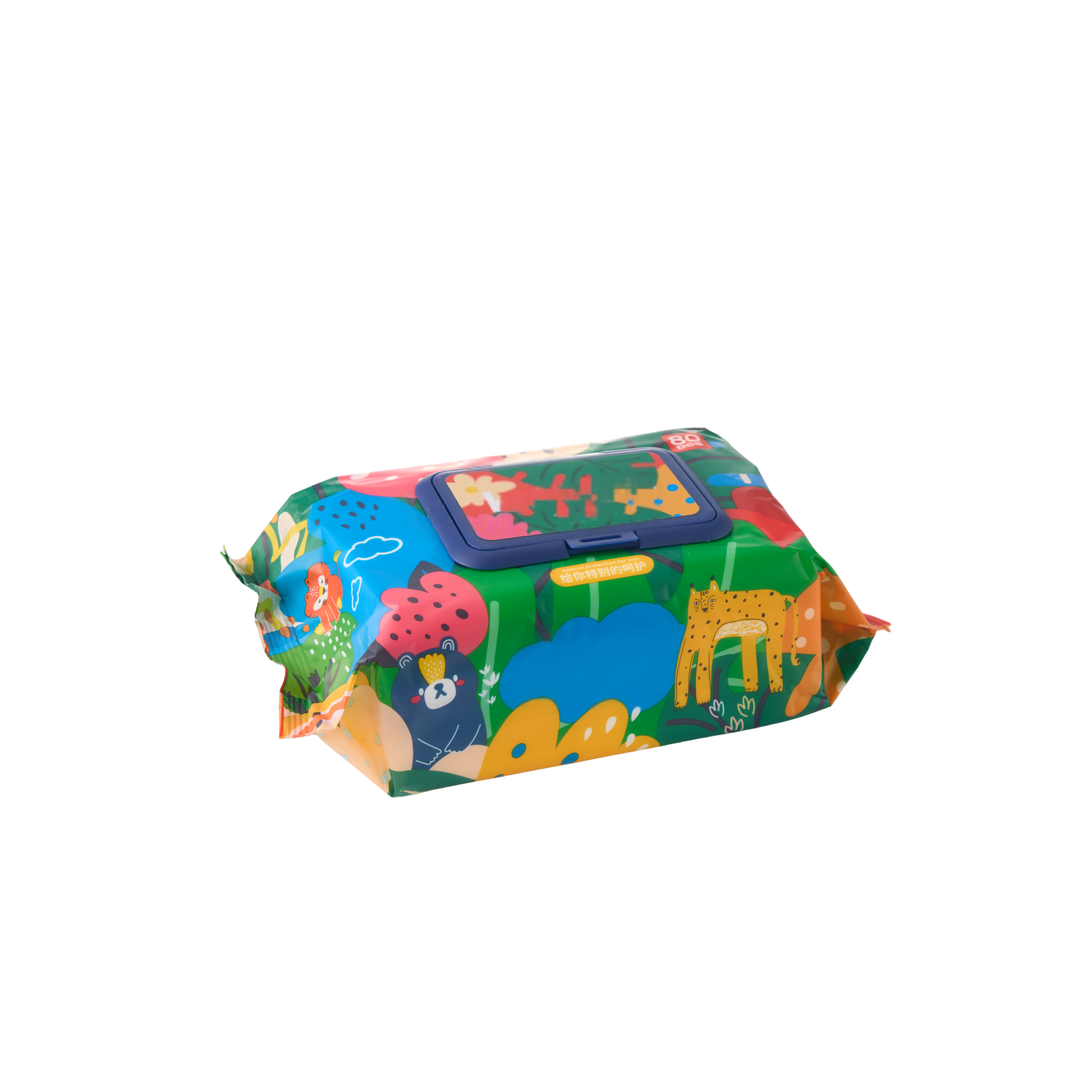
Comparison: Vertically Integrated OEM versus Small OEM Manufacturers
The table below reflects Uniquality's own published comparison data against conventional wipes from small OEM manufacturers. Treat it as a claim set to be verified during the audit — its real value is the list of dimensions it asks you to check.
| Evaluation dimension | Conventional wipes / small OEM manufacturers | Uniquality OEM/ODM |
|---|---|---|
| Production integration | Converting operation; substrate bought on the open market | Full vertical integration, from nonwoven fabric to finished pack |
| Production environment | Standard workshop | 100,000-class GMP cleanroom filling environment |
| Total bacteria count | ≤ 200 CFU/g for standard products | ≤ 100 CFU/g |
| On-time delivery | Not disclosed | 99.5% on-time delivery rate |
| Raw material cost | Baseline | 8–15% lower raw material cost |
| Energy consumption | Baseline | 10% lower energy consumption |
| Traceability and downtime | More manual intervention; limited batch records | Fully automated production with batch traceability and less downtime |
| Cost and risk profile | Lower entry cost; higher exposure to recalls and returns | Slightly higher upfront cost; lower risk of recalls and returns |
| Best suited to | Simple, price-led programmes | Baby care, sensitive-skin use and premium export markets |
All comparative figures are company-reported and require verification during a supplier audit. No third-party manufacturer is named or ranked here.
Frequently Asked Questions
What compliance documentation should I verify before confirming a wet wipes OEM supplier?
Ask for the certificate set that covers the exact product scope you are buying, with issuing bodies and validity dates. Uniquality reports eight certifications under its wet wipes scope — ISO 9001, ISO 14001, ISO 45001, ISO 50001, ISO 22716, ISO 13485, GMPC and SEDEX — together with a 100,000-class cleanroom filling environment. For EU-destined orders, confirm how the supplier handles Directive (EU) 2019/904 marking requirements for plastic-containing wipes; for medical formats, ISO 13485-scope quality systems should be part of the file.
How can I confirm that a supplier will remain a long-term wet wipes source with stable raw material sourcing?
Look at how much of the raw material chain the supplier controls rather than at the size of its discount. Uniquality reports 40 nonwoven machines producing approximately 48,000 tons of nonwoven fabric per month and 39 wet and dry wipe machines, indicating in-house substrate production rather than open-market purchasing. Supporting evidence to request includes project line allocation, batch-level retention samples, the company-reported 99.5% on-time delivery rate, and the 1,000,000 m² manufacturing footprint behind a 60 billion sheet annual output. A supplier that can show these items for a reference order presents a materially lower continuity risk than one that cannot.
What MOQ, payment and delivery terms should I expect from a wet wipes OEM supplier?
Published Uniquality terms are an MOQ of 60,000 bags for pack counts of 10–30 pieces, 50,000 bags for 40–70 pieces and 36,000 bags for 80–120 pieces; delivery on FOB or CIF terms; and payment of a 30% deposit with the balance against a B/L copy. Acceptance is based on a pre-shipment test at the factory or a customised protocol. Buyers should map these thresholds against their own first-order volume before requesting a quotation.
How long does wet wipes sampling take, and what should the sample actually test?
Sampling at Uniquality is stated at 3–5 days. Use it as a capability test: submit two or three SKUs from different categories with a written specification and measure turnaround time, conformance to the declared 35–70 gsm substrate band and lotion declaration, and the completeness of test documentation. A sample that arrives quickly but without documentation has tested speed, not capability.
Can a supplier's capacity hold through peak season?
Test capacity with evidence, not assurances. Uniquality reports an annual output of 60 billion sheets, 3,000+ employees and a 200+ member R&D team across a 1,000,000 m² manufacturing footprint. Ask for line allocation per project, lead time per SKU, and the schedule for pre-delivery microbial inspection. To review the full capability set before your next sourcing round, download the company brochure or request a quotation and sample through michelleyu@kingsafe.com.
Conclusion: Evaluate the Process, Then the Price
A wet wipes OEM decision is a process decision before it is a price decision. Four audit objectives — raw material sourcing and vertical integration, facility hygiene and cleanroom discipline, manufacturing scale consistency, and quality-assurance procedures — cover the risks that quotations hide. Two instruments make those objectives testable: a documentation review that requests certificates, substrate specifications, MOQ terms and batch records in a single response, and a sample run that tests responsiveness and specification accuracy under real conditions.
For buyers at the decision and execution stage, the practical rule is simple: award volume to the supplier whose process you have already verified in writing, and treat the price as the last variable rather than the first.
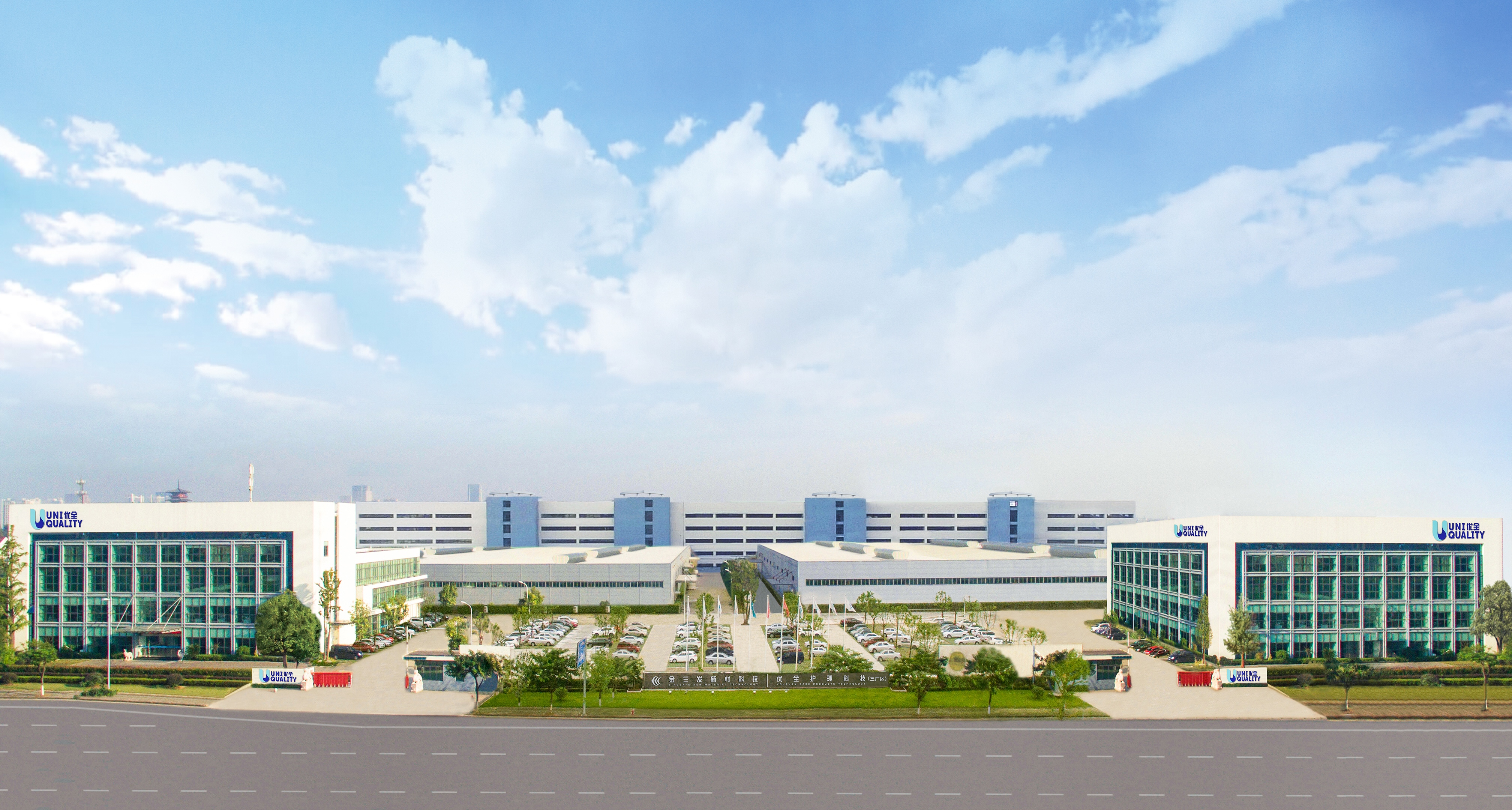
Next step: download the Uniquality wet wipes OEM/ODM capability brochure for the full specification and facility set, or request a sample and quotation directly from the manufacturing team.
Brochure: Wet Wipes OEM/ODM Capability Brochure (PDF)
Website: www.kingsafe.com | Blog: case.kingsafe.com
Contact: Michelle — michelleyu@kingsafe.com — +86 187-0582-0808 — WhatsApp
Have Questions or Need More Details?
Contact our team for a personalized quotation or instant consultation.
Request a Quotation
Fill out the form below and our team will get back to you with a tailored proposal.
WhatsApp Direct Chat
Prefer to chat in real-time? Message us on WhatsApp for instant assistance & quick answers.
- Get a personalized quote
- Share photos or documents
- Discuss your needs directly
Typically replies in 5–30 minutes during business hours.