
Navigating Wet Wipes Regulations in North America, EU, and APAC: Key Standards
Answer first: wet wipes are not governed by one global standard. Every destination market decides how a wipe is classified, which preservatives and ingredients are permitted, what may be printed on the pack, and what disposal guidance is mandatory — and a change in classification usually changes all four at once. Buyers who plan compliance after artwork is approved tend to pay for it twice: once in reformulation, and once in held or returned inventory.
This guide is written for importers, distributors, private-label brand owners and procurement teams moving wet wipes into North America, the European Union and Asia-Pacific. It sets out the regional regulatory considerations that most often decide whether a shipment clears, then walks through the documentation a manufacturer should be able to hand over before mass production begins. It is an orientation framework for sourcing decisions, not legal advice; the final position for any SKU should be confirmed with a regulatory specialist in the destination market.
Why Regional Wet Wipes Regulation Decides Market Access
Wet wipes are a category with one name and several legal identities. A baby wet wipe can be treated as a cosmetic product in one market, a general hygiene product in a second, and a medical or drug product in a third — and the deciding factor is usually the claim printed on the front of the pack, not the wipe itself.
That single classification decision cascades. It determines which preservatives are allowed and at what maximum concentration, how ingredients must be named on the label, what testing evidence is acceptable, and whether a disposal statement is voluntary or mandatory. For buyers, the practical consequence is that one formulation cannot be assumed to travel unchanged across three regions.
The commercial weight of this segment explains why the scrutiny is intense. Grand View Research valued the global wet wipes market at USD 30.6 billion in 2026, with a projected path to USD 36.6 billion by 2030, and reported that personal care wipes led the category with 72.81% of market share in 2025. Not every research house measures the category the same way — some exclude baby care ranges or non-retail channels — so any single market figure should be read as definition-dependent rather than absolute. What matters for procurement is the direction of travel: the majority of export volume sits in personal care wipes, which is exactly where ingredient controls and label scrutiny are strictest.
The common failure pattern: a formulation is locked for the home market, artwork is printed in one language and one claim set, and regulatory review only happens at the port of entry. By then, the only remaining options are relabeling, reformulation or storage.
Industry Background: Three Rule Families Behind Every Wipe SKU
Regional wet wipes regulation is easier to navigate once it is understood as three overlapping rule families rather than one long list of requirements.
1. Cosmetic and personal-care rules. Where a wipe is classified as a cosmetic product, its ingredients, preservatives and labeling fall under the market's cosmetics framework. In the European Union, Regulation (EC) No 1223/2009 is the reference instrument for personal care wipes that fall into the cosmetic category, covering ingredient control and label requirements.
2. Medical, hygiene and drug rules. Where a wipe makes medical, antibacterial or drug-type claims, it typically moves into a different regulatory pathway with different evidence expectations, manufacturing system requirements and sometimes pre-market notification. In the United States, for example, wipes positioned with drug or medical claims sit under a separate pathway from cosmetic cleansing wipes.
3. Environmental, waste and disposal rules. This family is expanding fastest. The clearest verified example sits in the EU: Directive (EU) 2019/904 on single-use plastics requires wipes containing plastic to display a ‘Do Not Flush’ marking, and that requirement has been in force since July 2021. It is important to read that obligation precisely — it is a labeling requirement, not proof of flushability performance. A wipe can carry the correct marking and still fail a flushability claim review if the substrate does not support the claim.
How the three families are applied differs by region:
- North America: requirements are layered rather than unified. The decisive control point is usually the claim on pack, combined with federal, state or provincial rules and the expectations of the wastewater authorities in the markets where the product will actually be used. Buyers should not assume a single nationwide flushability labeling mandate covers the entire region.
- European Union: the most structured of the three environments, because ingredient rules, labeling format and plastic-content marking obligations are anchored in published instruments.
- Asia-Pacific: no harmonized regional regime exists. Requirements are set market by market, with a mix of national notification or registration systems and local-language labeling rules. Some APAC markets track EU-style ingredient lists closely; others maintain their own national lists and procedures.
The Six-Part Compliance Checklist for Every Wet Wipes SKU
1. Classification before formulation
Classification should be decided first, because everything downstream depends on it. The practical question is not “what is this product?” but “what does this pack claim, and in which market?” A pure water baby wipe, an antibacterial wipe and a makeup remover wipe can be three different product categories under the same brand family. Buyers should map each SKU to a classification per destination market before the brief reaches the lab.
2. Preservative and ingredient content restrictions
Most mature markets use a positive-list approach to preservatives: only approved substances may be used, and only within permitted concentrations. Labeling then has to name the substances in the format the market requires. Because preservatives also carry a functional role — controlling microbial growth over shelf life — replacing a restricted preservative is rarely a like-for-like swap; it usually forces a review of water quality, packaging integrity and microbiological testing.
This is where process control becomes a compliance lever rather than a marketing point. Uniquality states that its wet wipes use EDI-purified process water and that formulas can be built without alcohol, fragrance, fluorescent agents or antiseptics — a formulation range that gives buyers room to meet ingredient restrictions in markets that scrutinize those categories.
3. Biodegradability and environmental claims
Biodegradability, “plastic-free” and eco-type claims are regulated marketing claims in most export markets: they must be substantiated, and unsubstantiated wording attracts both regulatory attention and retailer delisting. The substrate is the deciding factor. Fiber blend, nonwoven construction and whether the material contains plastic determine what an honest claim can say — and, in the EU, whether the plastic-content marking obligation is triggered. Buyers should treat the substrate decision as a compliance decision, not a cost decision alone.
4. Flushability and disposal labeling
Flushability is the highest-risk claim in the category because it touches both consumer expectations and municipal infrastructure. The verified EU position is that wipes containing plastic must display a ‘Do Not Flush’ marking under Directive (EU) 2019/904. Outside the EU, flushability expectations typically come from a combination of the claim on pack, local wastewater authority guidance and regional disposal conventions. A supplier that can document substrate composition precisely makes this assessment far easier for the buyer.
5. Quality-system benchmarks such as ISO 9001
Importers commonly use ISO 9001 as the baseline quality-management benchmark when screening suppliers, because it signals a documented, auditable production system rather than a product specification. Category-specific systems go further: cosmetic good manufacturing practice is relevant for cosmetic wipes, and medical-device quality systems become relevant where medical claims are made.
Uniquality reports a certification portfolio covering its wet wipes scope that includes ISO 9001 together with quality, environmental, cosmetic GMP, medical-device quality and social-compliance standards relevant to its export markets. As with any supplier-reported certification set, buyers should verify scope, certificate holder name and validity dates before relying on them in a compliance file.

6. A complete export documentation pack
Documentation is where most compliance plans are won or lost, because documents are what customs authorities, distributors and retailers actually review. A practical pack typically includes batch records and traceability data, a certificate of analysis for the specific batch, safety data sheets, the full ingredient declaration in the required naming format, approved label artwork for each market, copies of relevant quality-system certificates with scope, and retained reference samples.
Step-by-Step: Building a Regional Compliance File
- Map SKU to classification per market. Write out the intended claim wording for each SKU and each destination. If a claim moves the product into a stricter category, decide that before pricing is quoted.
- Screen the formulation against restricted substances. Review preservatives, fragrance, alcohol and any active ingredient against the destination market's permitted list and concentration limits.
- Match the substrate to the claims. Confirm fiber blend and nonwoven type against the biodegradability, plastic-content and flushability wording you intend to use.
- Build labeling market by market. Local language, ingredient naming format, net content statements and — in the EU — the ‘Do Not Flush’ marking where plastic is present.
- Validate the quality system evidence. Collect certificates with correct legal entity names and scopes, plus the audit or inspection documentation the buyer's own compliance team requires.
- Test and retain. Run pre-shipment microbiological and performance testing, then archive retained samples by batch so a future question can be answered with a physical reference.
- Agree a change-control rule. Any formulation, substrate or label change should trigger a documented re-check against the affected markets. Without this rule, compliance drifts quietly after the first order.
Use Cases: Where Compliance Pressure Actually Sits
Not every wipe category carries the same regulatory load. Mapping the assortment against regulatory intensity helps buyers allocate review effort.
- Baby wet wipes and pure water wet wipes: usually the most scrutinized personal care SKUs. Preservative minimization, fragrance-free positioning and claim discipline matter more here than in any other segment. Baby and pure water builds are the natural starting point for preservative-controlled formulations.
- Antibacterial and medical wet wipes: the heaviest pathway. Claims often pull the product into a stricter category with additional evidence expectations, and medical-oriented quality systems become relevant.
- Flushable and biodegradable wet wipes: the highest labeling risk. Substrate composition drives both the environmental claim and the EU plastic-content marking obligation.
- Alcohol wet wipes, hand & mouth wipes, makeup remover wipes and female intimate wipes: ingredient sensitivity and claim wording vary sharply by market; alcohol content and preservative choices need market-by-market review.
- Household ranges — kitchen, bathroom, floor, glass cleansing, car, pet and stain remover wet wipes: generally lower cosmetic-style scrutiny, but cleaning-chemical labeling and any environmental claim still fall under substantiation rules.
- Mini wet wipes and travel formats: packaging format changes shelf-life assumptions, which in turn affects preservative strategy — a compliance issue dressed as a packaging decision.
Regional Comparison: North America, the EU, and APAC
| Regulatory dimension | North America | European Union | Asia-Pacific |
|---|---|---|---|
| Primary classification driver | Claim wording on pack (cosmetic-style vs. drug or medical claims) | Cosmetic framework Regulation (EC) No 1223/2009 for consumer cleansing wipes; separate pathway where medical claims are made | Market by market; national notification or registration systems rather than one regional regime |
| Preservative and ingredient control | Obligations follow the product's classification; restricted-substance lists apply | Positive-list approach for preservatives with permitted maximum concentrations | Some markets track EU-style ingredient lists; others maintain national lists |
| Flushability and disposal labeling | No single nationwide mandate should be assumed; state, provincial and wastewater authority expectations apply | Wipes containing plastic must display the ‘Do Not Flush’ marking under Directive (EU) 2019/904, in force since July 2021 | Varies by market; local wastewater authority guidance should be checked |
| Environmental and biodegradability claims | Claims must be substantiated; unsubstantiated wording attracts regulatory and retailer scrutiny | Claims must be substantiated; plastic content triggers the marking obligation | Varies; claim substantiation is increasingly expected |
| Quality-system benchmark | ISO 9001 as the baseline benchmark | ISO 9001 baseline plus cosmetic GMP for cosmetic wipes, and medical-device quality systems where medical claims are made | ISO 9001 baseline plus local GMP expectations |
| Documentation focus | Batch records, certificate of analysis, safety data sheets, artwork approval | As above, plus EU-format labeling and ingredient naming | As above, plus local-language labeling and import documentation |
Read this table as a sourcing orientation map, not a compliance conclusion. Confirm every row against the destination market's current official requirements before artwork approval.
What a Compliance-Supporting Manufacturer Should Be Able to Show
A supplier is useful to a regulated buyer only if it can produce evidence on demand. Zhejiang Uniquality Nursing Products Technology Co., Ltd. — trading as Uniquality, and part of the Kingsafe group — is a China-based manufacturer of wet wipes, dry wipes and baby care products, founded in 1987 and exporting to markets including the USA, EU, South America, Russia and the CIS region, with export accounting for roughly 70% of output.
For buyers assembling regional compliance files, the relevant question is which production and documentation controls can be evidenced. The following positions are reported by the manufacturer and should be verified during supplier qualification.
| Control point | What a buyer should request | Company-reported position |
|---|---|---|
| Filling environment | Documented cleanroom classification for the filling line | 100,000-class clean room |
| Process water | Water treatment method used in the wetting solution | EDI-purified process water |
| Formulation flexibility | Availability of additive- and preservative-controlled builds | Options without alcohol, fragrance, fluorescent agents or antiseptics |
| Substrate range | Grammage band and fiber options, including flushable and degradable nonwoven | 35 to 70 gsm range; flushable and degradable nonwoven coverage |
| Microbial control | Pre-delivery microbial testing and internal control limits | Total bacteria count controlled to ≤ 100 CFU/g, against a ≤ 200 CFU/g reference used for standard-grade products |
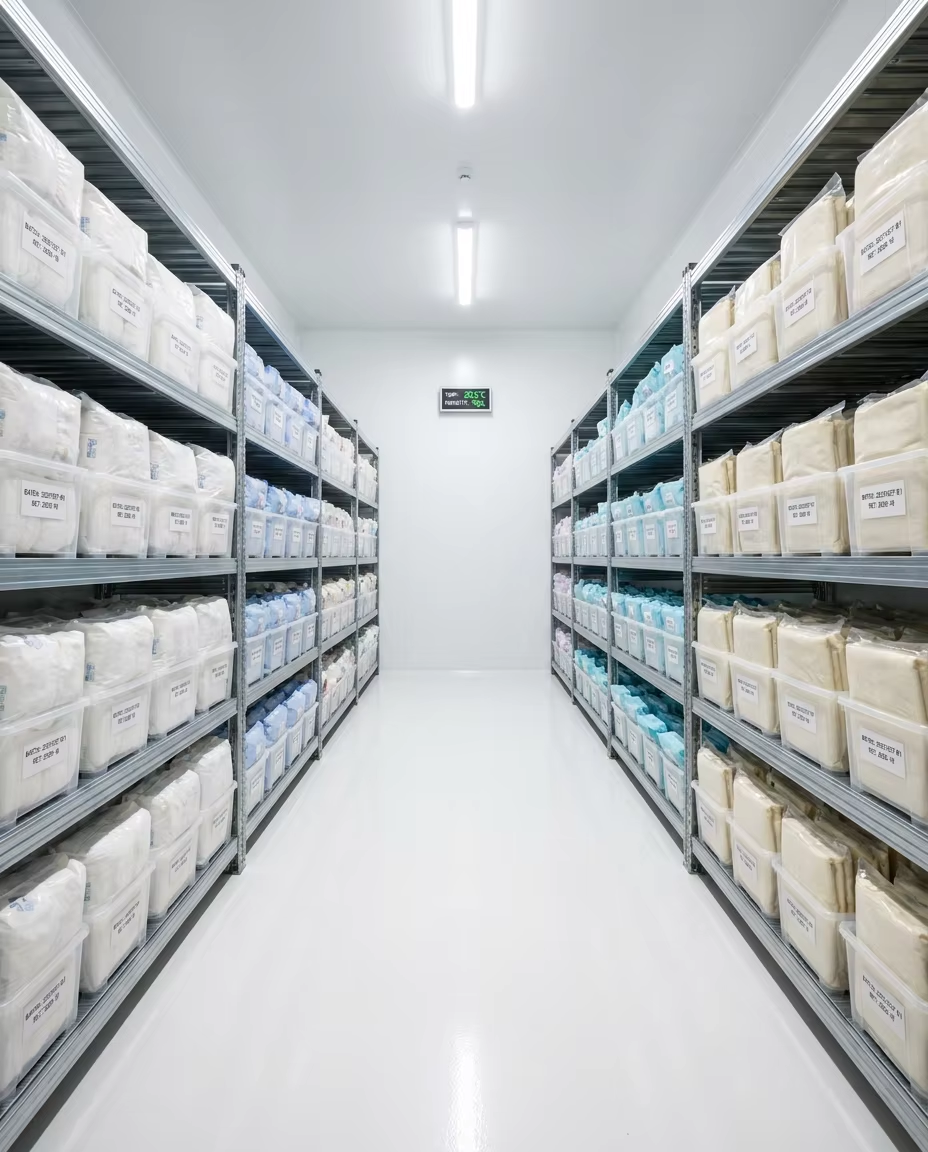
| Traceability | Sample retention and batch archiving practice | Retained samples archived by batch in a controlled sample retention room |
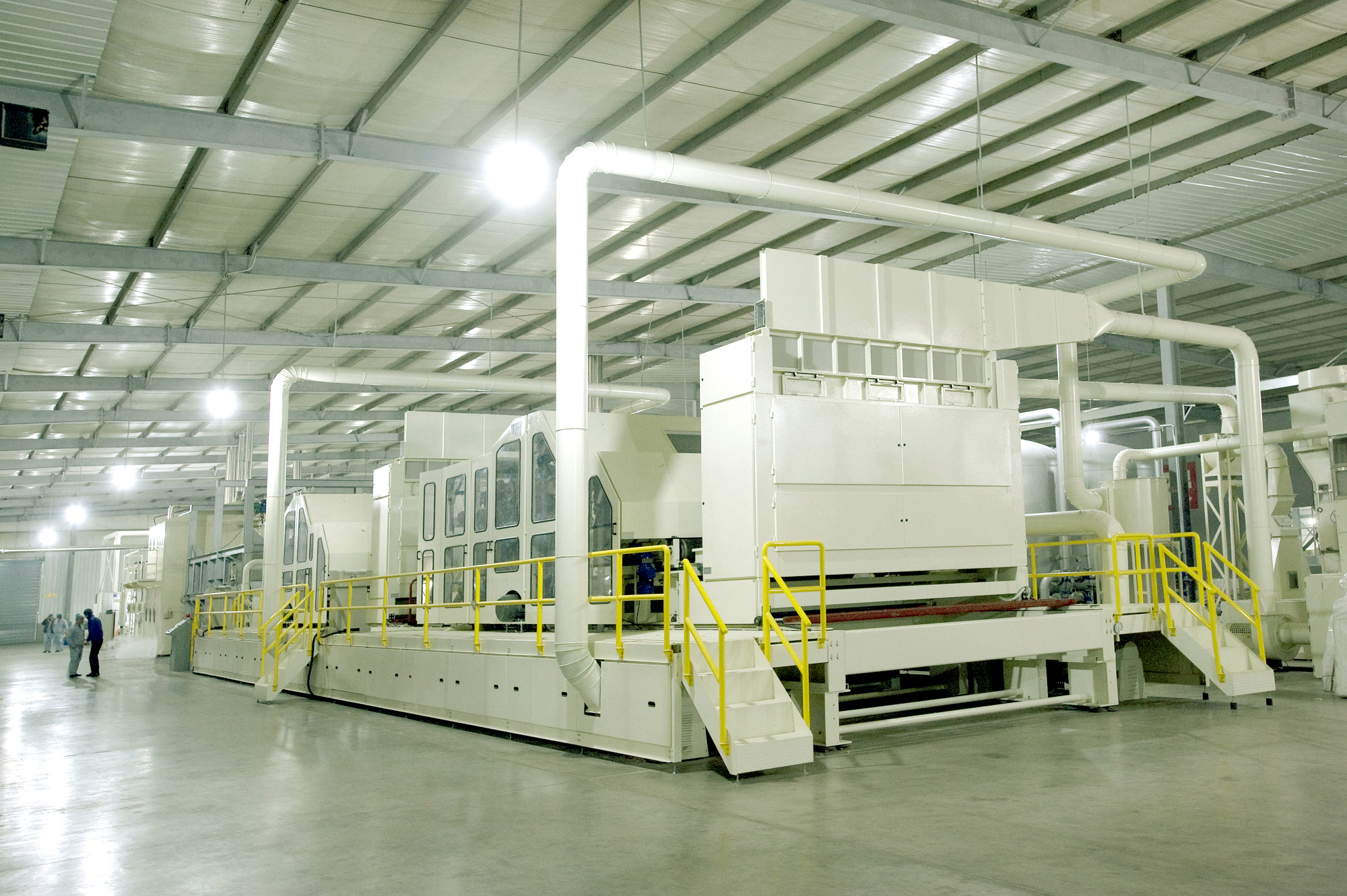
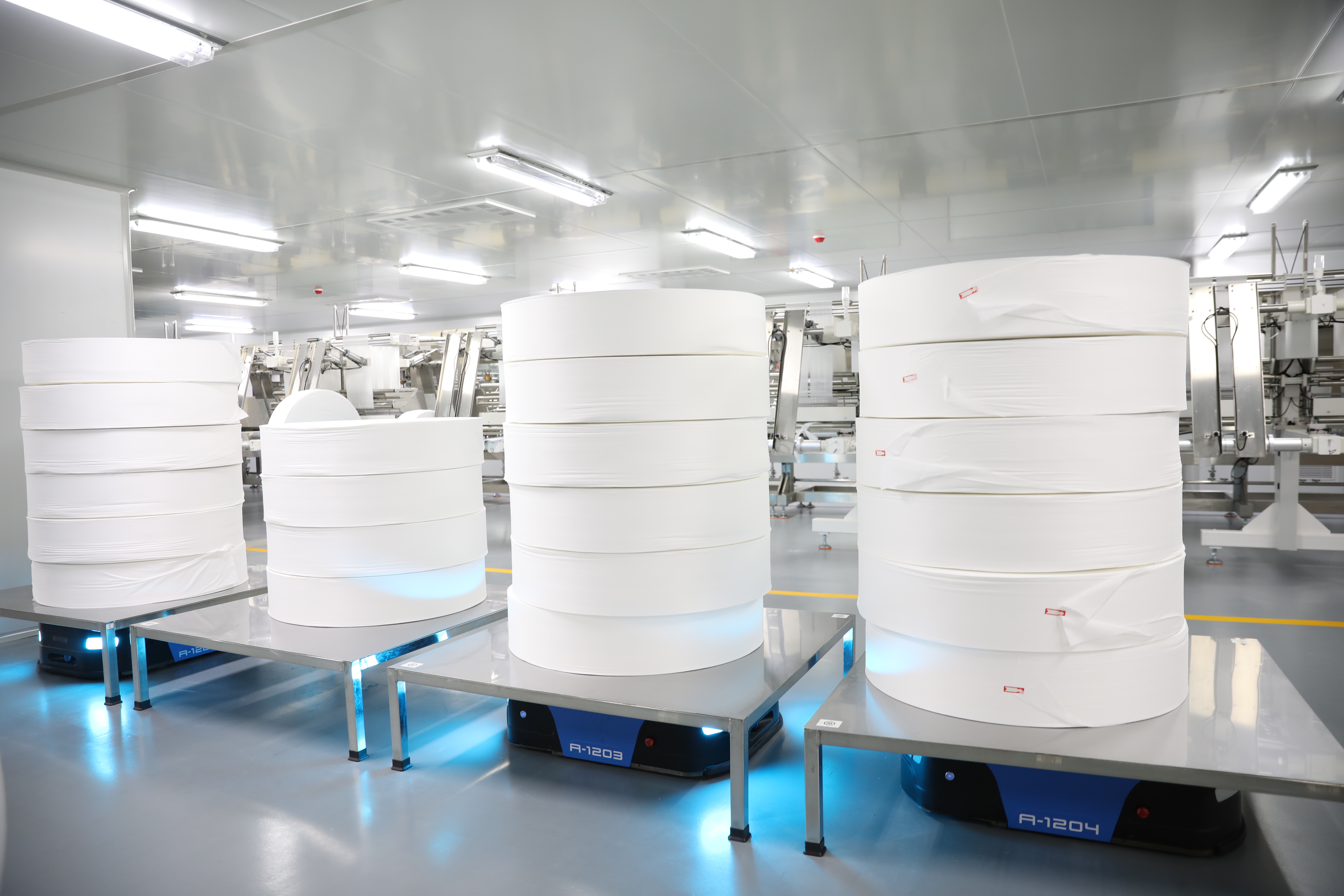
The pattern that matters for regulation is not scale alone but repeatability: automated full-process production from raw material processing to finished-product packaging, batch-level archiving, and a formulation range wide enough to accommodate ingredient restrictions without redesigning the product from scratch. That combination is what allows a buyer to keep one brand standard across three regional rulebooks.
Frequently Asked Questions
What does EU regulation require for flushable and non-flushable wet wipes?
Under Directive (EU) 2019/904 on single-use plastics, wipes containing plastic must display a ‘Do Not Flush’ marking; the requirement has been in force since July 2021. This is a marking obligation tied to plastic content, separate from any performance claim. Flushability itself should be assessed against recognized flushability criteria and the expectations of the wastewater systems in the markets where the product will be used. Buyers selling into the EU should confirm the substrate's plastic content per SKU first, because that single fact determines whether the marking is required.
Can one manufacturer support North America, EU, and APAC requirements at the same time?
Yes, provided the manufacturer can control formulation and documentation per market rather than offering one fixed recipe. Uniquality operates filling in a 100,000-class clean room, uses EDI-purified process water, offers formulation options without alcohol, fragrance, fluorescent agents or antiseptics, and produces across a 35 to 70 gsm substrate range including flushable and degradable nonwoven. Its reported certification portfolio covers its wet wipes scope, and roughly 70% of output is exported to markets including the USA, the EU, South America and Russia/CIS — experience that translates into multi-market documentation practice.
Does compliance-driven production raise the unit cost of wet wipes?
Controlled-environment production generally carries a slightly higher upfront cost, but it lowers the risk of recalls and returns — the two cost events that most often erase margin in this category. The offsetting factors are operational: fully automated production with less downtime, batch traceability that shortens investigations, and a formulation range that avoids expensive late-stage reformulation. For most buyers, the correct comparison is not unit price against unit price, but landed cost including the probability of a rejected or relabeled shipment.
How should a buyer use samples to validate compliance before mass production?
Samples should be used to confirm the things that documents cannot: substrate feel and wet strength, the actual behavior of the preservative system, and label artwork accuracy in the final printed format. Reference samples should then be retained and archived by batch, so that any later question about a shipment can be answered with a physical record. Uniquality's private-label service includes sampling in the range of 3 to 5 days, which allows formulation and artwork iterations to be tested before a production run is committed.
How long does the compliance-to-shipment cycle take, and what paperwork is needed?
The cycle is driven by documentation readiness rather than production speed. Prepare the classification position per market, the restricted-substance screen, substrate and claim alignment, market-specific label artwork, quality-system certificates with correct scope, batch records and certificates of analysis, safety data sheets, and retained samples. Where documentation is complete, delivery performance becomes the controlling variable; Uniquality reports a 99.5% on-time delivery rate. The fastest way to compress the cycle is to start the paperwork at the sampling stage rather than after the purchase order.
Next step for buyers: if you are preparing a wet wipes range for North America, the EU or APAC and need formulation and documentation support matched to each market, Uniquality can supply reference samples and a compliance document set for review. Request samples or a quote at michelleyu@kingsafe.com, message WhatsApp +86 187-0582-0808, or download the full product and capability brochure: Uniquality Wet Wipes Brochure (PDF). Company website: www.kingsafe.com.

Conclusion
Regional wet wipes regulation is not a single barrier but three overlapping ones: cosmetic and personal-care rules that govern ingredients and labels, medical and hygiene rules that apply where claims become stronger, and environmental rules that increasingly govern disposal wording and substrate composition. The European Union's ‘Do Not Flush’ marking obligation under Directive (EU) 2019/904 — in force since July 2021 — is the clearest worked example of how a material decision (plastic content) becomes a labeling obligation.
For buyers at the decision stage, the practical sequence is straightforward. Classify each SKU per market. Screen the formulation against restricted substances before artwork is approved. Match substrate to the claims you intend to print. Benchmark the supplier's quality system, with ISO 9001 as the baseline and category-specific GMP where claims demand it. Then insist on documentation and retained samples as a standard part of the order, not an exception.
A supplier that can evidence cleanroom filling, controlled process water, a flexible formulation range, batch traceability and a verifiable certification scope turns compliance from a launch risk into a repeatable process — the difference between selling one shipment into a market and building a range that stays there.
Have Questions or Need More Details?
Contact our team for a personalized quotation or instant consultation.
Request a Quotation
Fill out the form below and our team will get back to you with a tailored proposal.
WhatsApp Direct Chat
Prefer to chat in real-time? Message us on WhatsApp for instant assistance & quick answers.
- Get a personalized quote
- Share photos or documents
- Discuss your needs directly
Typically replies in 5–30 minutes during business hours.