Wet Wipes Beyond the First Order: Long-Term OEM/ODM Partnerships
Wet Wipes Beyond the First Order: Long-Term OEM/ODM Partnerships
The global wet wipes market was estimated at approximately USD 22.38 billion in 2024 by Market Research Future. For distributors and brand owners, the strategic question is not which factory can produce a first order, but which manufacturer can hold consistent quality, compliance, and delivery performance across years of supply. This article explains the requirements of a long-term wet wipes OEM/ODM partnership and how Zhejiang Uniquality Nursing Products Technology Co., Ltd. (Uniquality) is structured to meet them.
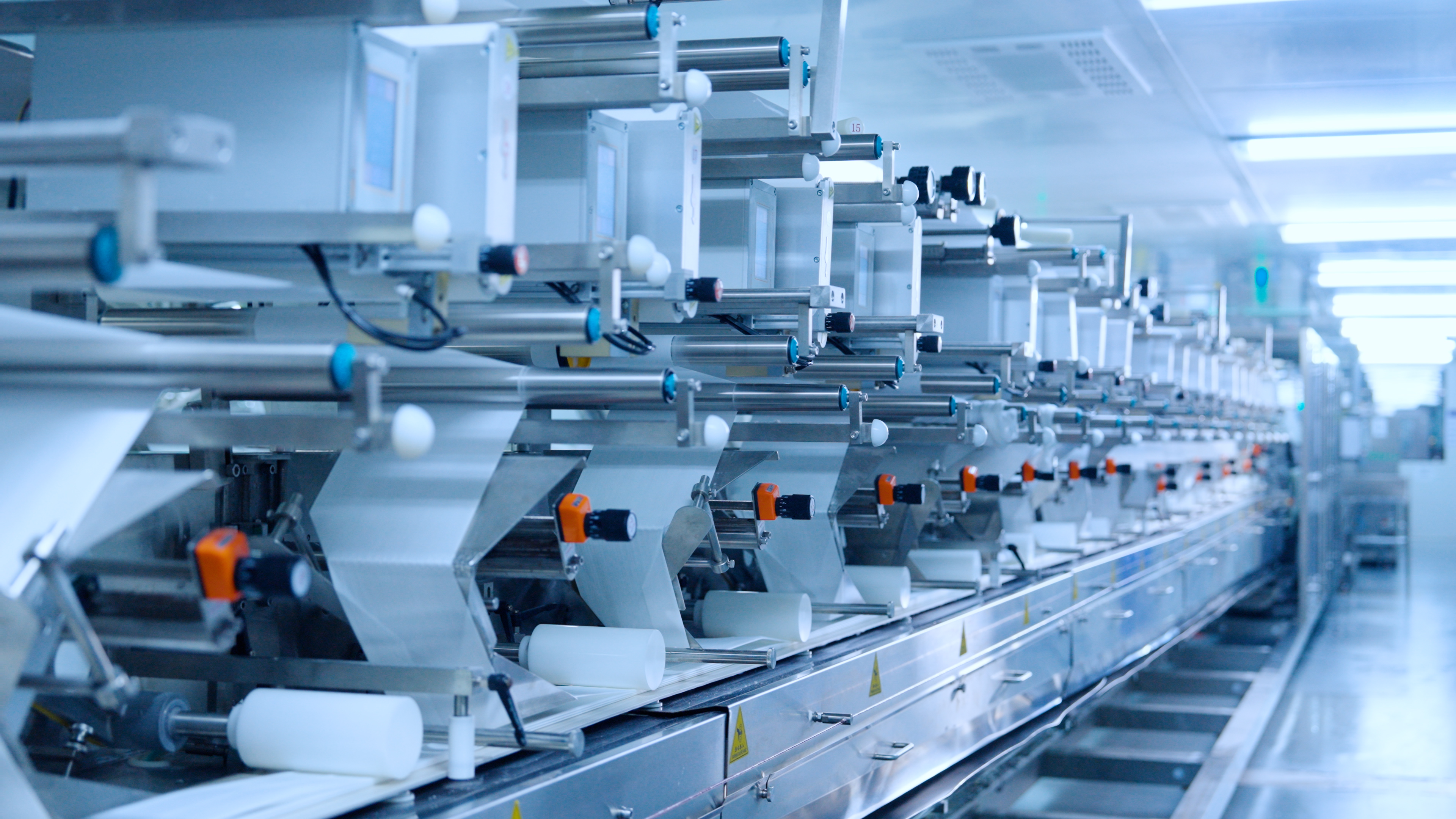
Uniquality is an OEM/ODM manufacturer of wet wipes, baby diapers, baby training pants, and dry wipes. The company was established in 1987 and has accumulated 24 years of wet wipes and diaper manufacturing expertise. Approximately 70% of its output is exported to the USA, EU, SAM, RU, and CASA markets, and the company reports that it is trusted by brand owners in more than 80 countries.
This guide is written for procurement teams at the decision and execution stage: buyers who already know they need private-label wet wipes and now need a partner that can scale, comply, and deliver repeatedly.
The Problem: Why Wet Wipes Sourcing Fails After the First Order
A first order is not a reliable signal of a supplier's long-term capability. In wet wipes production, the risks that typically end partnerships are microbial contamination, material drift, and compliance gaps.
The most critical quality risk in wet wipes manufacturing is exceeding microbial limits. Controlling that risk requires strict raw material hygiene, reasonable use of qualified preservatives, and purification of the production workshop environment. When any of these degrade between batches, a distributor can face consumer complaints, returns, or regulatory action.
Compliance is the second risk layer. Wet wipes intended for cleansing are regulated as cosmetics in the European Union under Regulation (EC) No 1223/2009, which requires a Product Information File (PIF) and CPNP notification. Flushable wet wipes must comply with GD4 guidelines or the stricter IWSFG standards. A change of manufacturer or formulation can reopen these processes, which is one reason switching suppliers is expensive for long-term buyers.
The third risk is traceability. A routine question in long-term supply is, 'What exactly did we ship six months ago?' If a factory cannot document batch history from raw material verification to finished-goods accountability, every unresolved complaint becomes a financial liability.
Industry Background: A Growing Market Under Regulatory Pressure
Category demand remains strong. The global wet wipes market was approximately USD 22.38 billion in 2024 (Market Research Future), and the baby wipes segment alone reached USD 10.0 billion in 2025, with a projected CAGR of 5.5% until 2035 (Global Market Insights). Asia Pacific led the global wipes market in 2025 with a 32.29% share, valued at approximately USD 1.58 billion (Fortune Business Insights).
Sustainability is redefining product roadmaps. The global biodegradable wet wipes market was valued at more than USD 3 billion in 2024 and is growing at a CAGR above 6%. Buyers planning multi-year assortments increasingly need flushable, biodegradable, and water-based formulations.
Manufacturing geography also matters. China's import value of wet wipes was approximately USD 35.326 million in Q1 2024, continuing a downward trend (China Household Paper Industry Association), which reflects the strength of domestic production capacity for export. At the same time, the baby wipes category remains concentrated: Procter & Gamble held a market-leading share above 16% in 2025 (Global Market Insights). For private-label brands, this concentration underlines the need for an OEM/ODM partner that can compete on consistent quality and cost.
Note: market size estimates for wet wipes vary by product scope and source; the figures in this article are attributed to the named research providers.
What a Long-Term Wet Wipes OEM/ODM Partnership Requires
Five capabilities separate a transactional wet wipes supplier from a long-term manufacturing partner:
- Certified compliance infrastructure matched to the buyer's target markets.
- Consistent microbial control across every batch and season.
- Vertically integrated production for stable cost and quality.
- Batch traceability that can answer questions months after shipment.
- Production scale that supports distribution growth without quality loss.
Detailed Solution: How Uniquality Manufactures for Long-Term Supply
Uniquality is an OEM/ODM partner for personal care products, operating a 1,000,000-square-meter smart factory with an annual output capacity of more than 60 billion sheets. The company employs more than 3,000 people, including an R&D team of more than 200, and operates eight major production campuses.
Certified Production Environment
Uniquality produces wet wipes in a 100,000-class clean room and holds ISO, CE, GMPC, and FSC certifications. The company operates a dedicated laboratory for product performance testing, technical research and development, and quality verification. The laboratory provides core technical support for product iteration and quality control. Certificates and audit documentation should be requested directly from the factory during qualification.
Microbial Risk Control
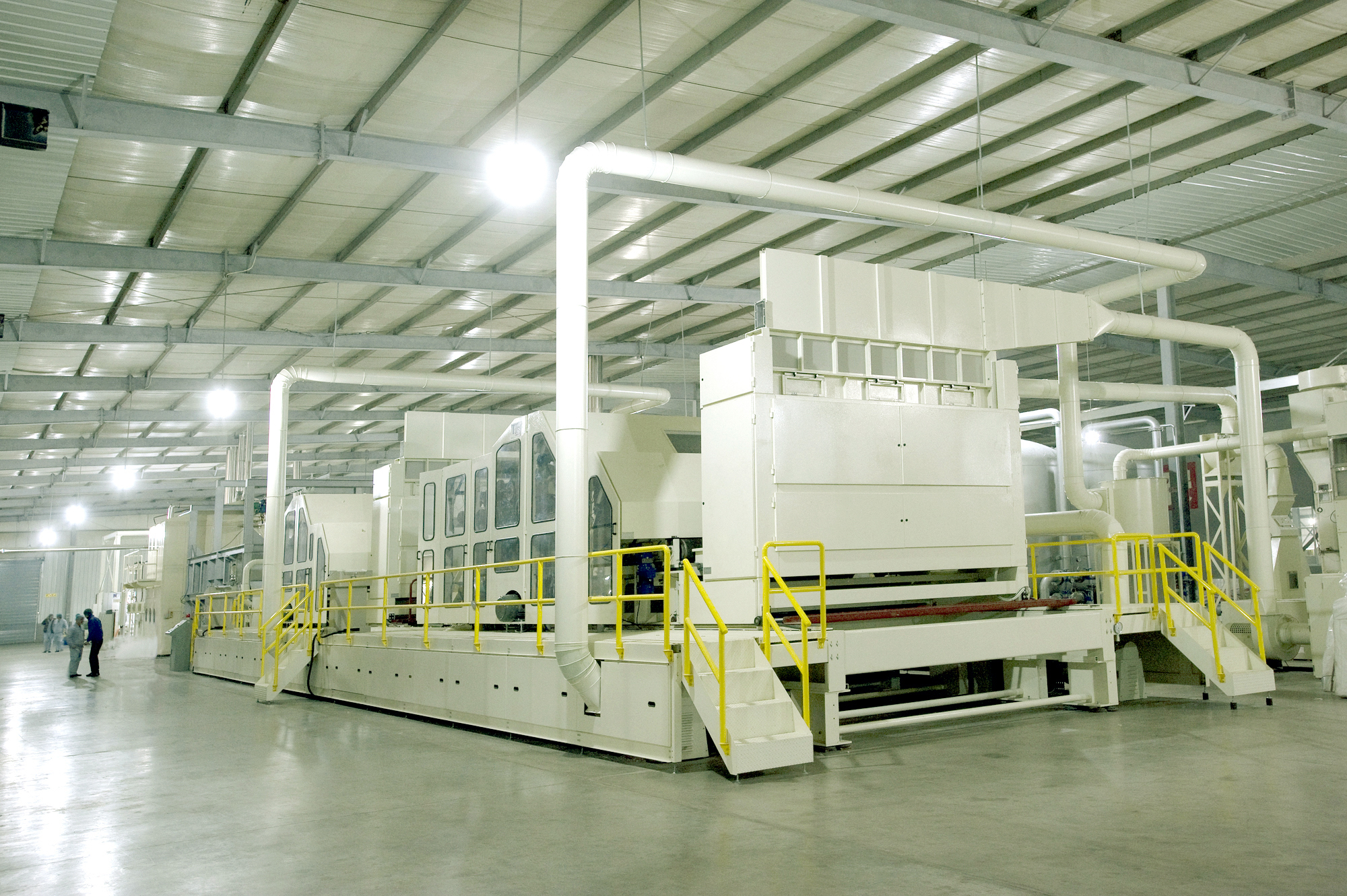
Uniquality's quality target for total bacteria count is ≤100 CFU/g, compared with ≤200 CFU/g for standard products. Enterprise risk-control measures include strict raw material hygiene, reasonable use of qualified preservatives, purification of the production workshop environment, and strengthened microbial inspection before delivery.
Vertical Integration and Cost Stability
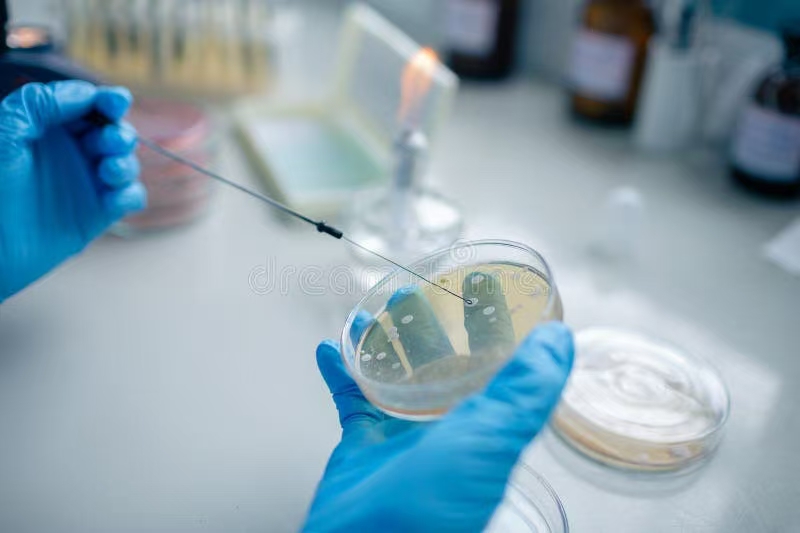
Full vertical integration covers the complete process from raw material processing to finished-product packaging. Production uses pharma-grade purified water and fully automated lines, which reduces downtime and maintains a stable, controlled environment. Relative to conventional production, Uniquality reports 8-15% lower raw material cost, 10% lower energy consumption, and a 99.5% on-time delivery rate.
Batch Traceability and Sample Retention
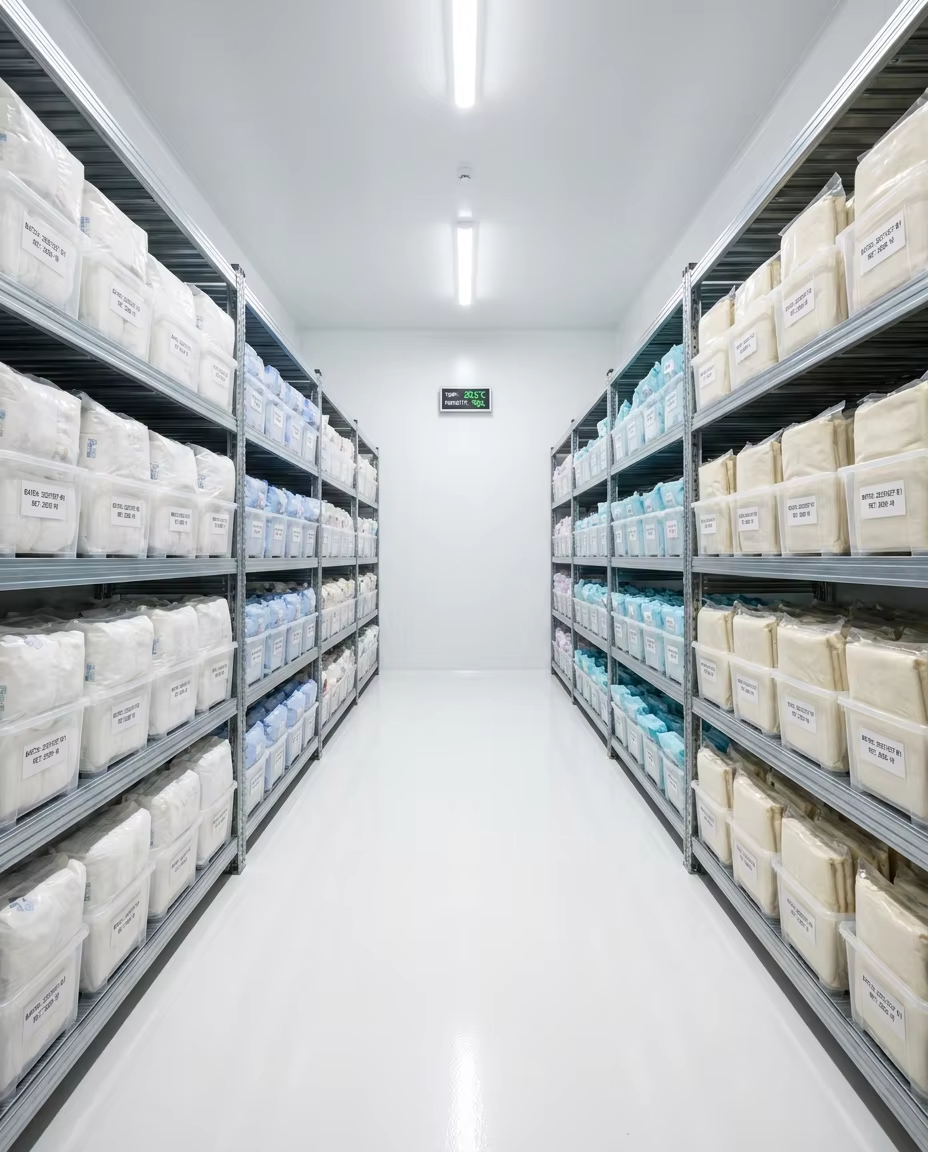
Uniquality maintains a Sample Retention Room where every batch of diapers, wet wipes, and dry wipes is archived, tracked, and preserved under strict conditions. The room is temperature-controlled, organized by batch, and monitored without exception, covering raw material verification through finished-goods accountability.
Commercial Structure for Repeat Orders
Uniquality's procurement terms are designed for ongoing programs. Payment terms are a 30% deposit with the balance against a copy of the bill of lading. Delivery is available on FOB or CIF terms. Acceptance is based on a factory pre-shipment test or customized buyer requirements. The trade-off is explicit: upfront cost is slightly higher than smaller suppliers, balanced by lower risk of recalls and returns.
Step-by-Step: Onboarding a Long-Term Wet Wipes Program with Uniquality
Step 1: Define Product Scope and Target-Market Compliance
Select the wet wipes category. The YQ001 line covers baby wet wipes, mini wet wipes, pure water wet wipes, facial wet wipes, flushable wet wipes, biodegradable wet wipes, and medical wet wipes. Confirm which regulations apply to your destination market, including EU cosmetic notification for cleansing wipes and GD4 or IWSFG assessment for flushable formats.
Step 2: Request Samples and Preliminary Specifications
Uniquality provides one-stop private-label service with 3-5 days sampling. Send the category, target material, size, and pack count; the factory prepares samples against those parameters. Standard parameters for YQ001 include a size of 15×20 cm, nonwoven material of 35-70 gsm, and pack counts from 10 to 80 wipes per bag, all customizable.
Step 3: Lock Specifications and Packaging
Agree on the nonwoven fabric, lotion system, and dispensing format, such as a resealable flip-top lid for dustproof and moisture-locking performance. For baby wipes, the standard formulation uses EDI purified water and is alcohol-free, fragrance-free, fluorescent-free, and antiseptic-free, with a weak-acid pH designed for newborn and sensitive skin.
Step 4: Agree on MOQ, Payment, and Delivery Terms
MOQ depends on pack count: 60,000 bags for packs of 10-30 wipes; 50,000 bags for packs of 40-70 wipes; 36,000 bags for packs of 80-120 wipes. Payment is 30% deposit with the balance against BL copy. Delivery is on FOB or CIF terms.
Step 5: Production Under Controlled Conditions
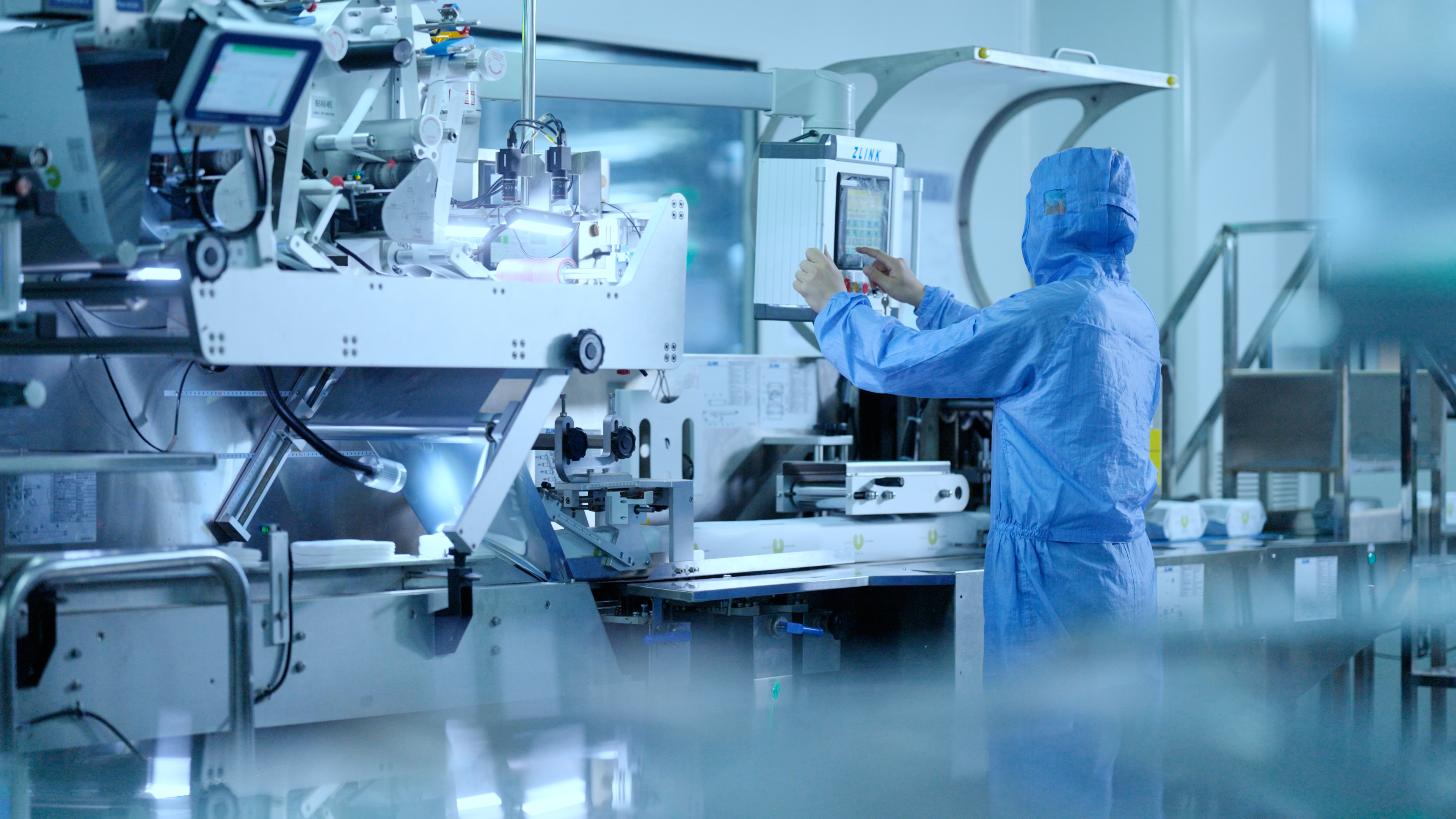
Production runs in a 100,000-class GMP cleanroom using fully automated systems. In-process controls cover raw material hygiene, preservative qualification, and workshop purification.
Step 6: Pre-Shipment Inspection and Batch Retention
Before shipment, Uniquality performs a factory pre-shipment test or follows the buyer's customized acceptance procedure, including strengthened microbial inspection. A retained sample of the batch is archived in the Sample Retention Room for future traceability.
Step 7: Replenishment and Portfolio Expansion
After initial orders, buyers can expand into additional wet wipes categories with the same qualified supplier, reducing re-qualification work. The 99.5% on-time delivery rate and batch traceability support multi-year planning.
Use Cases: Wet Wipes Categories Under One OEM/ODM Roof
Uniquality serves the personal care industry, health and beauty, maternity and baby, pet supplies, and household segments. The same certified manufacturing base produces multiple wet wipes categories:
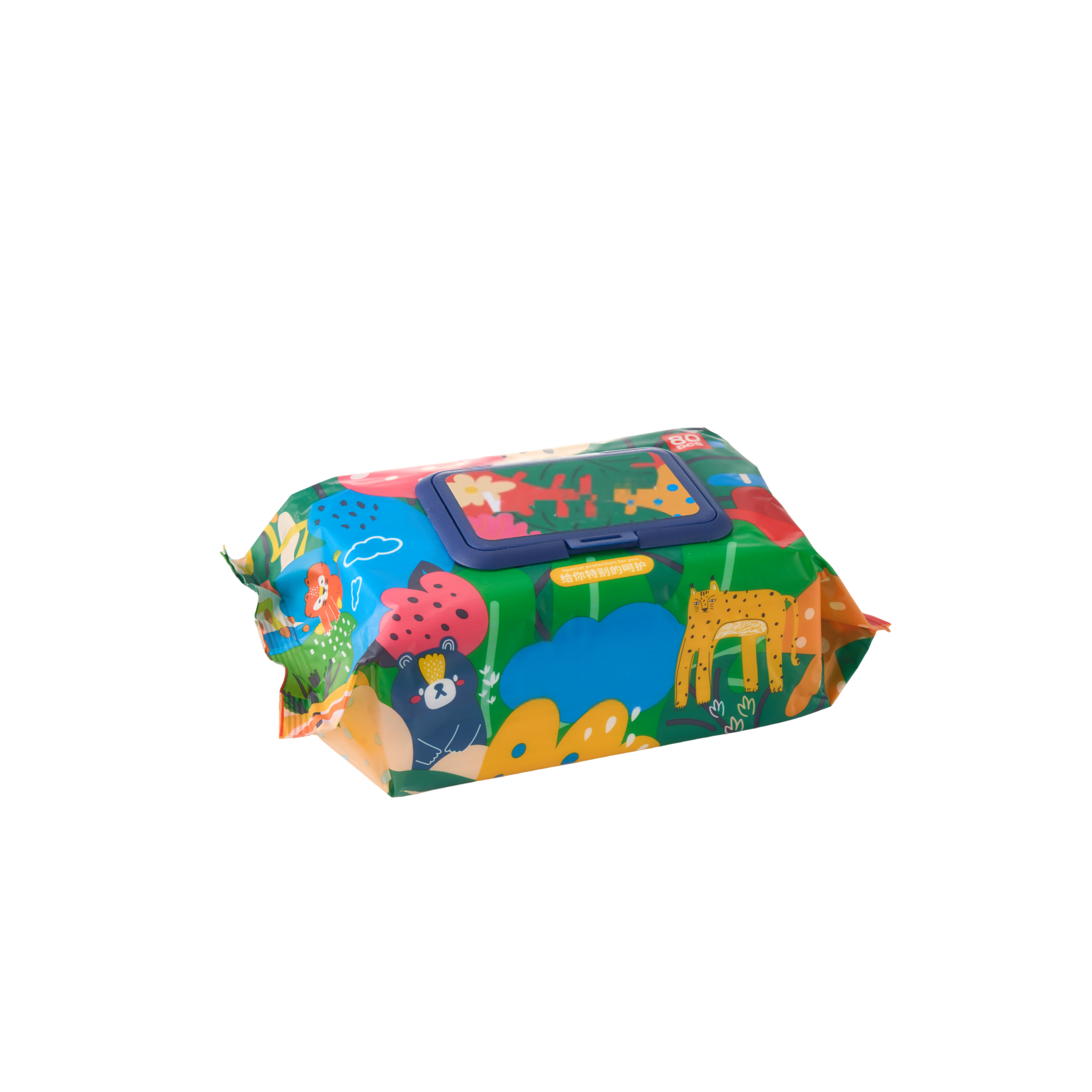
- Baby Wet Wipes: the baby wipes segment was valued at USD 10.0 billion in 2025 with a projected CAGR of 5.5% until 2035 (Global Market Insights). Uniquality's baby line uses a mild, skin-friendly formula with EDI purified water, a weak-acid pH, thickened embossed non-woven fabric with a pearl textured surface, and tear-resistant, lint-free wiping performance. The resealable flip-top lid prevents drying out, and pack sizes range from bulk family packs to mini travel packs.
- Flushable Wet Wipes: produced with dissolvable non-woven material designed to be flushed without clogging pipes, while remaining sturdy and lint-free during wiping. The mild weak-acid formula is alcohol-free, fragrance-free, and fluorescent-free, with a pH that matches intimate skin for sensitive users, including pregnant women and toddlers. Flushable products should be assessed against GD4 or IWSFG guidelines for the target market.
- Pure Water and Facial Wet Wipes: based on EDI purified water and free of alcohol, fragrance, fluorescents, and antiseptics; suitable for sensitive-skin and facial routines.
- Medical Wet Wipes: produced in the same 100,000-class cleanroom environment, which supports stricter hygienic requirements.
- Mini and Biodegradable Wet Wipes: mini formats for travel and on-the-go use; biodegradable options align with the sustainability segment that exceeded USD 3 billion globally in 2024.
Comparison: Uniquality OEM/ODM vs. Conventional and Small OEM Production
The following comparison is based on Uniquality's stated performance versus conventional wipes production and small OEM manufacturers.
| Dimension | Uniquality OEM/ODM | Conventional / Small OEM Baseline |
|---|---|---|
| Production environment | 100,000-class GMP cleanroom | Standard workshop conditions |
| Water system | Pharma-grade purified water | Standard water treatment |
| Microbiological limit | ≤100 CFU/g total bacteria count | ≤200 CFU/g for standard products |
| Vertical integration | Full integration from raw material to finished packaging | Limited integration |
| Raw material cost | 8-15% lower | Baseline |
| Energy consumption | 10% lower | Baseline |
| Delivery reliability | 99.5% on-time delivery rate | Varies |
| Traceability | Batch traceability and retained samples | Limited or absent |
| Upfront cost | Slightly higher | Lower |
| Long-term risk | Lower risk of recalls and returns | Higher compliance risk |
The trade-off is explicit: Uniquality's model carries a slightly higher upfront cost than small OEM production, balanced by lower recall and return risk, batch traceability, and stable delivery performance.
FAQ
What certifications and cleanroom standards does Uniquality hold for wet wipes?
Uniquality produces wet wipes in a 100,000-class clean room and holds ISO, CE, GMPC, and FSC certifications. For European Union markets, cleansing wet wipes are regulated as cosmetics under Regulation (EC) No 1223/2009, which requires a Product Information File and CPNP notification. Flushable wet wipes are assessed against GD4 or IWSFG guidelines. Buyers should verify the certification scope and documentation against their target market during qualification.
How does Uniquality prevent microbial contamination across long-term production?
Uniquality targets a total bacteria count of ≤100 CFU/g, compared with ≤200 CFU/g for standard products. Its risk-control measures include strict raw material hygiene, reasonable use of qualified preservatives, purification of the production workshop environment, and strengthened microbial inspection before delivery.
How does Uniquality keep quality consistent across repeated orders?
Consistency is supported by fully automated production in a stable, controlled environment, full vertical integration from raw material processing to packaging, and batch traceability. Every batch of wet wipes is archived in a temperature-controlled Sample Retention Room, organized by batch and monitored without exception, so buyers can trace each shipment from raw material verification to finished goods.
What production capacity can Uniquality offer for scaling a wet wipes distribution business?
Uniquality operates a 1,000,000-square-meter smart factory with an annual output of more than 60 billion sheets, eight major production campuses, more than 3,000 employees, and an R&D team of more than 200. About 70% of output is exported to the USA, EU, SAM, RU, and CASA markets, and the company reports trusted partnerships with brand owners in more than 80 countries.
What are Uniquality's MOQ, payment terms, and delivery conditions?
For the YQ001 wet wipes line, MOQ is 60,000 bags for packs of 10-30 wipes, 50,000 bags for packs of 40-70 wipes, and 36,000 bags for packs of 80-120 wipes. Payment terms are 30% deposit with the balance against a copy of the bill of lading. Delivery is available on FOB or CIF terms. Acceptance is based on the factory pre-shipment test or customized buyer requirements.
How fast can samples be ready, and what delivery reliability can long-term buyers expect?
Uniquality provides one-stop private-label service with 3-5 days sampling. Buyers define the category, material (nonwoven, 35-70 gsm), size (standard 15×20 cm), and pack count (10 to 80 wipes per bag), and the factory prepares samples against those parameters. Uniquality reports a 99.5% on-time delivery rate; specific lead times depend on the order volume and specification. To start a partnership, contact Michelle at michelleyu@kingsafe.com or +86 187-0582-0808 on WhatsApp to request a free sample and a lead-time estimate.
Conclusion
Long-term wet wipes supply is not a purchasing event; it is a manufacturing system. Buyers who succeed across multiple seasons choose partners with certified environments, documented microbial control, vertical integration, traceability, and scale.
Uniquality addresses each of these requirements with auditable infrastructure: a 100,000-class GMP cleanroom, ≤100 CFU/g quality targets, full vertical integration, batch-level sample retention, and a 99.5% on-time delivery rate. For procurement teams at the decision-to-execution stage, the practical next step is to verify the system with a sample and a specification review.
Start a Long-Term Wet Wipes Partnership
Zhejiang Uniquality Nursing Products Technology Co., Ltd.
Contact: Michelle
Email: michelleyu@kingsafe.com
Tel / WhatsApp: +86 187-0582-0808
Website: www.kingsafe.com
Brochure: Download company brochure (PDF)